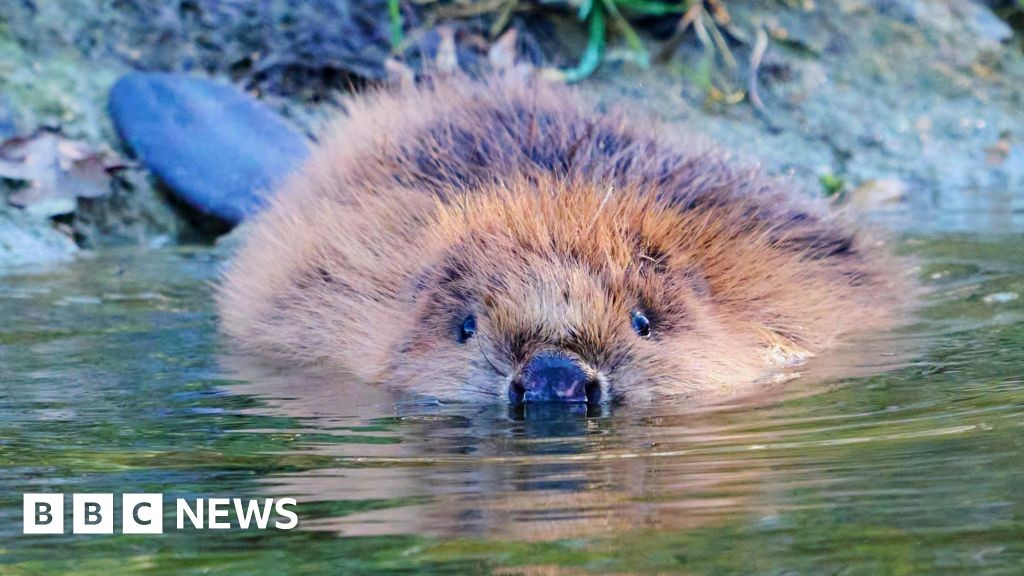
A family of Eurasian beavers has been reintroduced to the Southill Estate near Biggleswade, marking the return of the species to the Bedfordshire countryside for the first time in four centuries.
The release, which follows two years of meticulous planning and habitat preparation, includes an adult male, an adult female, and two kits. This initiative represents a significant milestone in local wildlife conservation and landscape management.
Engineering a Resilient Ecosystem
Beavers are often described as “ecosystem engineers.” This is not merely a metaphor; their natural behavior of dam-building fundamentally alters the landscape in ways that benefit a wide variety of other species.
By managing water flow, beavers help to:
– Create drought resilience: Their dams slow the movement of water, helping to retain moisture in the soil during dry periods.
– Restore natural hydrology: Through their activity, they create wetlands that act as natural filters and flood mitigators.
– Increase biodiversity: The ponds and slow-moving waterways they create provide habitats for insects, fish, amphibians, and birds.
A Multi-Stage Reintroduction Process
The project was a collaborative effort led by the nature restoration company Restore and the estate’s owner, Charles Whitbread. To ensure the beavers could thrive, the team spent two years preparing the site, which involved constructing a fenced enclosure, creating a new pond, planting willow trees, and “re-wiggling” a ditch to restore a more natural water flow.
The release was conducted in two distinct phases to ensure the stability of the new colony:
1. The First Wave: An adult male and two kits were brought in from Scotland.
2. The Second Wave: An adult female, who had undergone 14 months of rehabilitation at the Wildwood Trust to prepare her for life in the wild, was introduced a few days later.
Balancing Production and Preservation
The project highlights a growing trend in land management: the integration of productive land use with nature recovery. Rather than choosing between farming or conservation, the Southill Estate is moving toward a model where the two can coexist.
Charles Whitbread noted the difficulty of the process, describing it as a “long and complex journey” filled with unforeseen challenges. However, seeing the animals successfully swimming in their new habitat has made the effort worthwhile.
“To finally see the beavers released and swimming in the landscape was truly wonderful, and something I will not forget.” — Charles Whitbread, Estate Owner
Conclusion
The return of the Eurasian beaver to Bedfordshire is more than just a wildlife success story; it is a functional step toward building a more resilient, water-secure landscape. Through careful habitat engineering, this small family is set to begin the long process of revitalizing the local ecosystem.