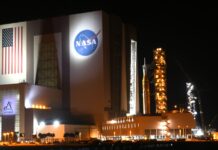
More than half a century after the Apollo missions ended, humanity is once again preparing to return to the Moon. NASA’s Artemis II mission is set to carry astronauts further into space than they’ve traveled in decades, marking a critical step towards establishing a sustained lunar presence. Simultaneously, China has been making significant, though less publicized, progress toward its own crewed lunar landing.
The Stakes Are Higher Than Ever
This isn’t simply a revival of Cold War-era prestige contests. The current push to the Moon represents a long-term strategic play. Nations are vying to secure access to lunar resources – including potentially valuable materials like helium-3 and rare earth elements – and to use the Moon as a launching pad for deeper space exploration, particularly Mars. The Moon’s lower gravity and lack of atmosphere make it an ideal testing ground for technologies needed for interplanetary travel.
Artemis II: NASA’s Flagship Mission
Artemis II will be the first crewed mission of the Artemis program. While it won’t land on the Moon, the flight around the lunar surface will test critical systems and gather vital data for future missions. The success of Artemis II is crucial for NASA’s ambition to land humans on the Moon by 2026, setting the stage for a long-term lunar base.
China’s Lunar Ambitions
China has been steadily building its lunar capabilities with the Chang’e program, which includes robotic landers and rovers. Their plans involve establishing a robotic research station on the Moon, followed by crewed missions. Unlike NASA’s focus on international collaboration, China’s approach is largely independent, though it has expressed interest in cooperation with other nations.
Why This Matters Now
The renewed interest in the Moon isn’t just about scientific discovery. Control of lunar resources and strategic positioning in space could reshape geopolitical power dynamics. The Moon could become a key arena for competition between major spacefaring nations, with implications for military and commercial interests.
The new Moon race is driven by more than just national pride – it’s about securing future access to resources and establishing dominance in the next frontier of space exploration.
The race to the Moon is on, and the consequences will extend far beyond the lunar surface.