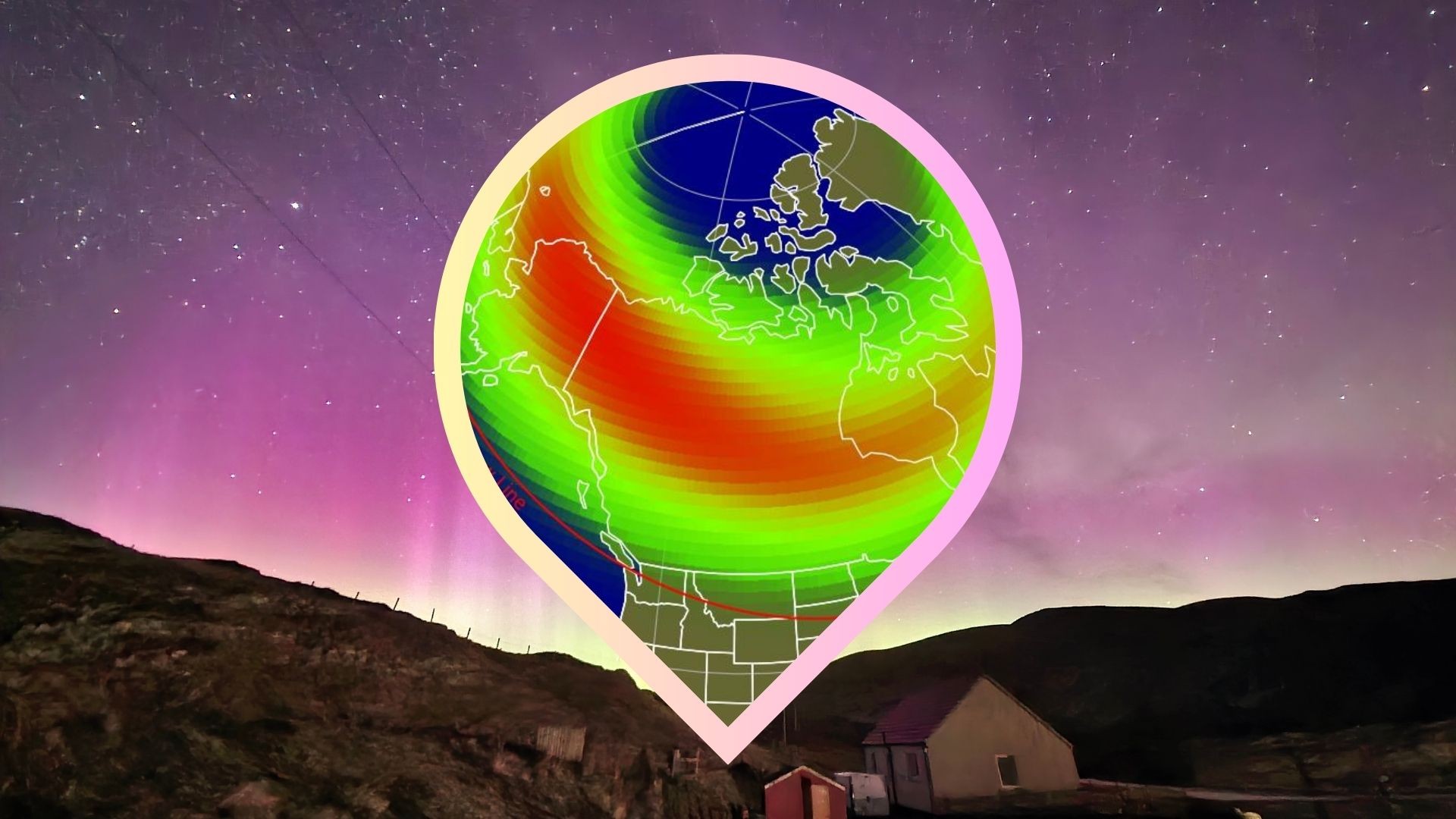
A surge in solar wind activity is expected to trigger minor geomagnetic storm conditions tonight and into the weekend, potentially making the northern lights visible as far south as Maine, Washington, and Wisconsin. The National Oceanic and Atmospheric Administration (NOAA) forecasts that conditions will be most favorable between 11 a.m. and 11 p.m. EDT (1500-0300 GMT), though activity may linger into Sunday before easing.
Why This Matters
Geomagnetic storms happen when the sun releases high-energy particles, and these interact with Earth’s magnetic field, creating the aurora borealis (northern lights) and aurora australis (southern lights). These events are often subtle, but intense solar storms can disrupt satellite communications, power grids, and even GPS systems.
While this particular storm is considered minor (G1 level), it’s a reminder that space weather does affect Earth. Solar activity waxes and wanes in roughly 11-year cycles, and we’re currently in an accelerating phase of Solar Cycle 25, meaning more frequent and potentially stronger events are likely in the coming years.
Where to Look for the Aurora
Based on current forecasts, the following nine U.S. states have the highest probability of seeing the northern lights:
- Alaska
- North Dakota
- Minnesota
- Montana
- South Dakota
- Wisconsin
- Idaho
- Washington
- Maine
However, conditions are dynamic. If the solar wind strengthens unexpectedly, the aurora could reach further south. Conversely, weaker activity may result in no visible display.
Tips for Aurora Viewing
To maximize your chances of spotting the lights:
- Find Darkness: Get away from city lights. The darker your surroundings, the better.
- Look North: Scan the northern horizon for faint glows.
- Dark Adapt: Allow at least 30 minutes for your eyes to adjust to the dark. Avoid bright screens or lights during this time.
- Use Your Phone: Phone cameras often pick up faint auroral activity that the naked eye may miss.
- Dress Warmly: Be prepared to spend time outdoors in cold conditions.
Apps like “My Aurora Forecast & Alerts” and “Space Weather Live” can provide real-time aurora predictions based on your location.
“Aurora chasing requires patience and luck,” says Space.com editor Daisy Dobrijevic. “Conditions can change rapidly, so be prepared to wait or move to a better viewing spot.”
The aurora is a natural phenomenon, not a guaranteed event. If you’re in the right region, clear skies, and patience will give you the best shot at witnessing this spectacular display.