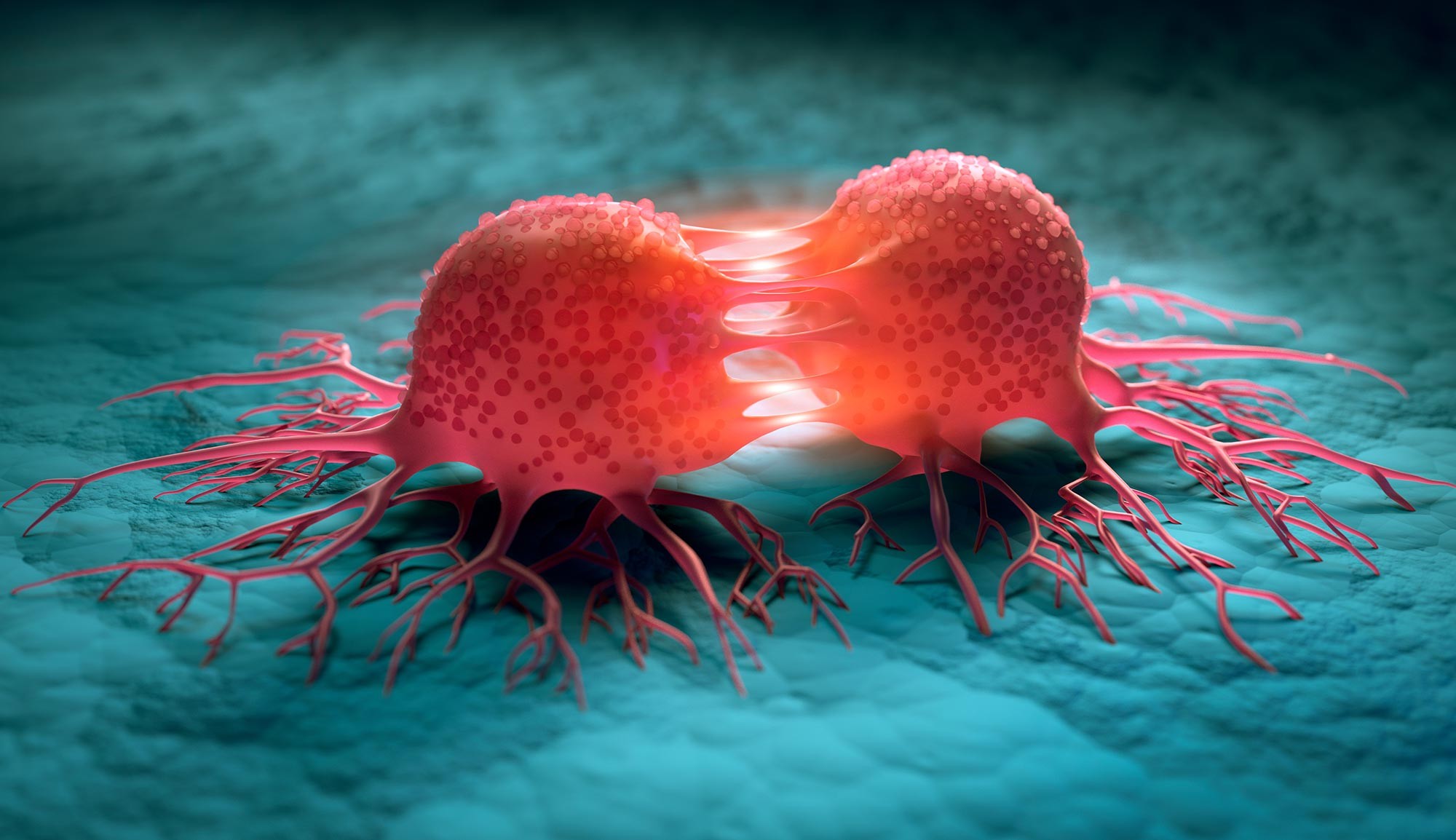
A concerning shift in global health patterns is emerging: cancer incidence is rising among younger adults, even as many traditional risk factors appear to be stabilizing or improving. Recent data from England, published in BMJ Oncology, highlights a troubling trend where several cancer types are becoming increasingly frequent in people under the age of 50.
A Growing Discrepancy in Age Groups
While cancer is traditionally viewed as a disease of aging, researchers have identified a significant spike in cases among younger populations. While many cancers are increasing across all age groups, bowel and ovarian cancers present a unique anomaly: their rise is specifically concentrated in adults under 50, rather than following the broader trend seen in older populations.
The study, which analyzed data from England’s National Disease Registry Service between 2001 and 2019, found that:
– Younger women saw significant increases in 16 out of 22 cancer types.
– Younger men saw increases in 11 out of 21 cancer types.
– Certain cancers, such as endometrial, kidney, pancreatic, multiple myeloma, and thyroid, are rising even faster in younger women than in their older counterparts.
The “Risk Factor Gap”
The most striking aspect of this research is the disconnect between known lifestyle risks and actual cancer rates. Scientists have long established that obesity, smoking, alcohol consumption, and poor diet are primary drivers of cancer. However, the data reveals a paradox:
- Stable or Improving Behaviors: Over the last two decades, several risk factors among younger adults have remained stable or even improved. For example, red meat consumption has declined, and fiber intake has remained relatively steady.
- The Obesity Factor: While excess weight is a major contributor—linked to 10 of the 11 cancers studied—it does not fully explain the trend. Even when accounting for BMI, the incidence of “non-attributable” cancer (cases not directly linked to weight) is still rising.
- Incomplete Explanations: While behavioral factors (like smoking and alcohol) account for a large percentage of cases in certain cancers, they do not account for the entirety of the surge.
Searching for the “Missing” Causes
Because traditional lifestyle metrics don’t fully explain why younger people are getting sick, researchers are looking toward other, more complex variables. This suggests that the biological or environmental landscape for younger generations may be fundamentally different from that of their predecessors.
Potential contributing factors currently under investigation include:
– Early-life influences: Prenatal risks and childhood obesity.
– Modern dietary shifts: The impact of ultra-processed foods and sugary drinks.
– Environmental and biological factors: Air pollution and changes in the gut microbiome.
– Medical shifts: Changes in how cancers are detected and diagnosed, or the long-term effects of antibiotic use.
“These patterns suggest that while similar risk factors across ages are likely, some cancers may have age-specific exposures, susceptibilities, or differences in screening and detection practices.”
Why This Matters
This trend raises critical questions for public health. If the traditional “instruction manual” for cancer prevention (eat less meat, smoke less, move more) is not fully addressing the rise in younger patients, medical science must look deeper into environmental and biological shifts. While the absolute number of cancer cases remains higher in older populations, the rising incidence in younger adults necessitates a fundamental rethink of early prevention and screening strategies.
Conclusion: The rise of cancer in younger adults, particularly bowel and ovarian types, suggests that current lifestyle-based risk models are incomplete, pointing toward a need to investigate deeper environmental, biological, and early-life influences.