Researchers have demonstrated a method to revitalize the aging immune system in mice by repurposing the liver to produce key signaling proteins that stimulate T-cell production. This breakthrough addresses a fundamental challenge of aging: the decline in immune function, which leaves individuals more susceptible to infections, cancer, and other age-related diseases.
The Declining Thymus and the Role of T-Cells
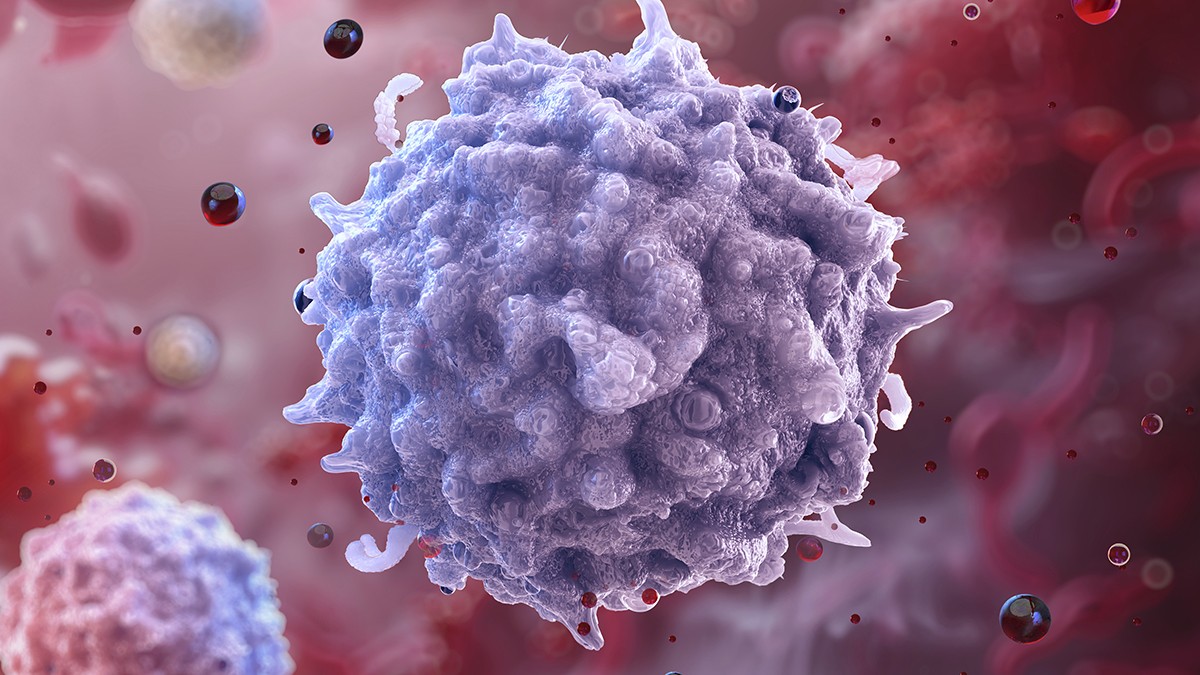
The immune system weakens with age because the thymus, an organ critical for developing T-cells, shrinks and becomes less efficient. T-cells patrol the body, identifying and neutralizing threats like viruses and tumors. As T-cell production slows, the body’s defenses weaken. This is a key factor in why older adults are more vulnerable to severe illness and have reduced vaccine effectiveness.
Synthetic Approach: Liver as a Thymus Substitute
Scientists at the Broad Institute of MIT and Harvard engineered a solution: using the liver as a functional substitute for the aging thymus. The liver was chosen because it remains a robust protein producer even in old age, is easily accessible, and its location in the circulatory system ensures widespread distribution of immune signals.
mRNA Treatment Restores Immune Function
The team identified three signaling proteins—DLL1, FLT3-L, and IL-7 —that decline with age and are essential for T-cell development and maintenance. They then packaged the instructions for these proteins into an mRNA treatment, which was repeatedly injected into the livers of older mice.
“We wanted to think about how can we maintain this kind of immune protection for a longer period of time, and that’s what led us to think about what we can do to boost immunity.” – Mirco Friedrich, MIT neuroscientist
Within four weeks, treated mice showed significant increases in both the number and diversity of T-cells. This translated to stronger responses to vaccinations and improved ability to fight off tumors, indicating a rejuvenated immune system. Notably, the effects were temporary, minimizing the risk of autoimmune reactions from overstimulation.
Why This Matters: A Safer Path to Immune Resilience
Previous attempts to boost T-cell production involved direct injections into the bloodstream, often with dangerous side effects. This liver-based approach offers a potentially safer and more sustainable alternative. The temporary nature of the T-cell boost is also crucial; uncontrolled immune stimulation can lead to inflammation and autoimmune disorders.
The next step is to assess whether this method translates to human physiology. Researchers plan to expand their studies to other animals, test additional proteins, and refine the mRNA delivery system. If successful, this approach could dramatically improve health spans, enabling people to remain disease-free for longer.