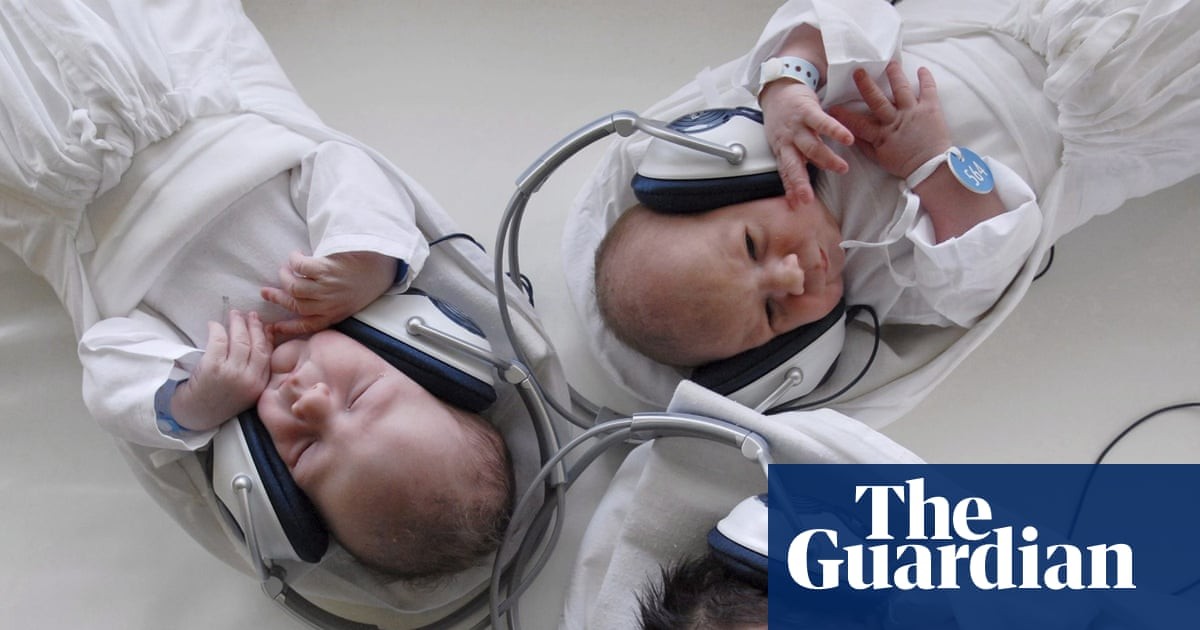
Newborns possess an astonishing ability to anticipate rhythm in music, even before they’ve had significant exposure to melodies, according to new research. The study demonstrates that this isn’t a learned behavior but appears to be a deeply ingrained aspect of human biology. This discovery suggests that rhythm processing predates melodic appreciation in brain development and could explain why rhythmic patterns are more universal across cultures than melodies.
Early Musical Perception Begins in the Womb
The research, led by Dr. Roberta Bianco of the Italian Institute of Technology, builds upon earlier findings showing fetal responsiveness to music as early as eight or nine months gestation. Babies in the womb already react to music through changes in heart rate and movement. This new study goes further, revealing that newborns aren’t just responding to sound, but actively predicting rhythmic patterns.
How the Study Was Conducted
Researchers used electroencephalography (EEG) to monitor brain activity in sleeping newborns while they listened to original compositions by Bach and scrambled versions of the same music. The team analyzed brain responses to “surprises” in both rhythm and melody, using computer models to assess how predictable each note was based on the surrounding musical structure. The results showed that brain activity reflected rhythmic surprises in the original music, but not melodic ones.
Rhythm vs. Melody: A Biological Basis?
The findings suggest that the human brain is pre-wired for rhythm detection, likely due to its evolutionary roots. Rhythm sensitivity appears to be shared with other primates, while melodic preferences seem to develop through later learning. This supports the idea that rhythm is a fundamental component of our biological toolkit.
The Role of Prenatal Experience
The study also highlights the importance of prenatal auditory experience. Before birth, fetuses are immersed in regular rhythms like the mother’s heartbeat and walking patterns. These consistent stimuli may lay the groundwork for early rhythmic perception. While melodies are distorted in the womb, rhythmic structures remain relatively clear.
What This Means for Future Research
The study opens avenues for exploring how early musical experiences shape brain development and cognitive abilities. Further research could investigate how maternal music exposure influences infant rhythm processing. Prof. Usha Goswami of the University of Cambridge notes the alignment of these findings with her own work, suggesting that language acquisition also begins with rhythm perception.
The human brain is biologically tuned to predict patterns in sound, particularly rhythm, and this ability may be essential for early cognitive development.
This research confirms that musical rhythm isn’t simply a cultural preference; it’s an innate human capability. The brain’s capacity to anticipate rhythm appears to be deeply ingrained in our biology, suggesting that music’s influence on our minds may start far earlier than previously imagined.