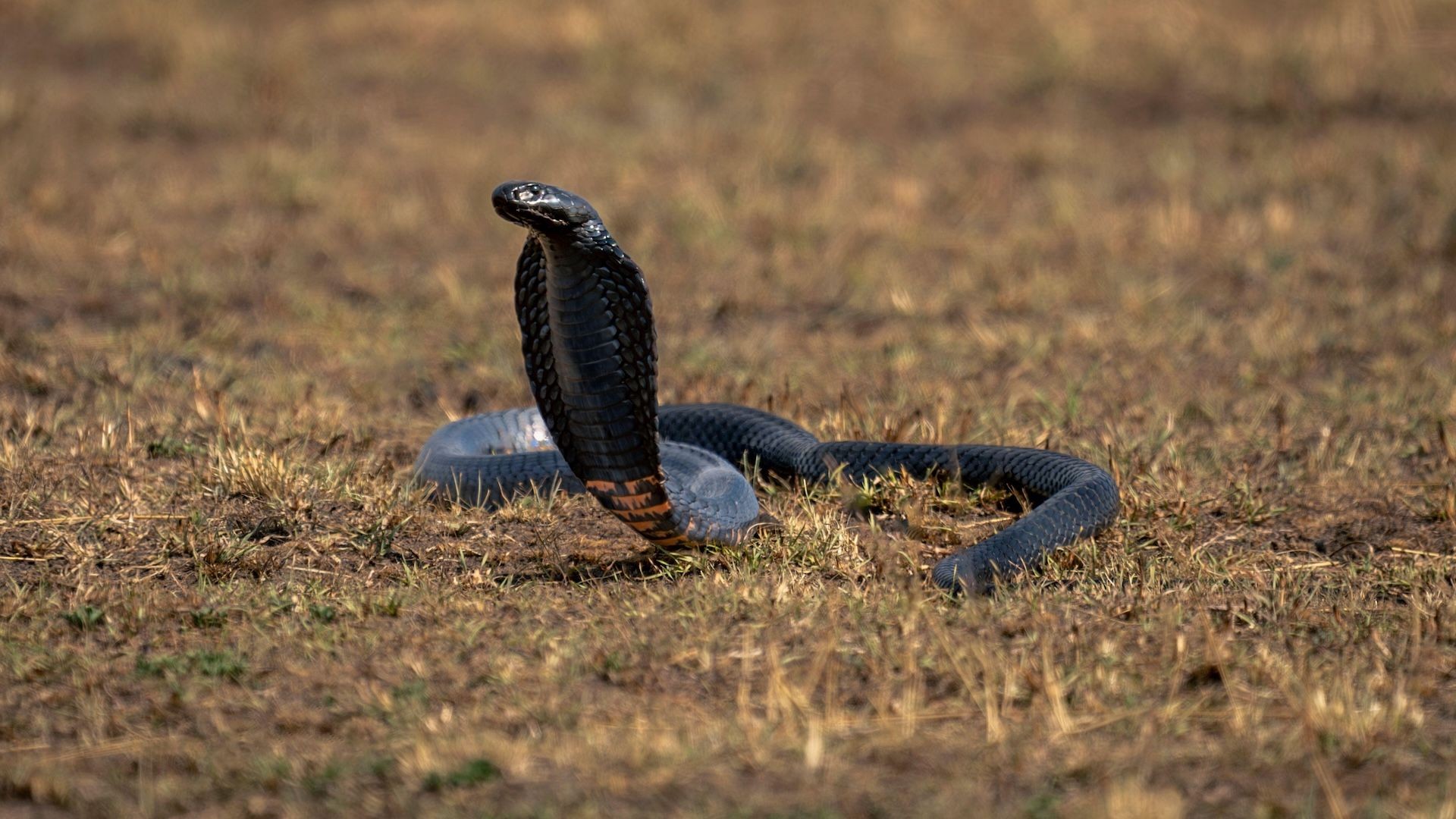
Africa grapples with over 300,000 snakebites annually, resulting in a tragic toll of at least 7,000 deaths and countless amputations and injuries. Traditional antivenoms, produced by exposing horses to venom and extracting antibodies from their blood, offer limited protection. They can cause allergic reactions in patients and only work against a handful of related snake species. Now, scientists have developed a new weapon in the fight against venomous snakes: a nanobody-based antivenom that shows promise against 17 deadly African elapids – cobras, mambas, and rinkhals (also known as ring-necked spitting cobras).
Nanobodies Offer a New Approach
The key to this breakthrough lies in nanobodies. These tiny antibody fragments, derived from llamas and alpacas, are remarkably effective at targeting toxins. Unlike traditional horse serum antivenoms, nanobodies are small enough to reach even hard-to-reach sites within the body where venom toxins can wreak havoc.
To create this groundbreaking antivenom, researchers exposed a llama and an alpaca to venoms from 18 African snakes, including some of the continent’s most dangerous species. These animals produced specialized nanobodies that latched onto specific venom toxins. Scientists then meticulously selected the most potent nanobodies in the lab and combined eight of them into a powerful cocktail, forming the new antivenom.
Lab Tests Demonstrate Promising Results
Initial laboratory tests on mice yielded remarkable results. This nanobody serum successfully prevented death from 17 out of the 18 target snake venoms – only the eastern green mamba venom proved partially resistant. Importantly, this nanobody mix not only neutralized lethal effects but also significantly reduced tissue damage caused by venoms known to destroy cells.
Even more impressive: The nanobody antivenom outperformed a widely used traditional antivenom in treating multiple snake venoms. Mice given the new serum survived with fewer symptoms than those treated with the conventional horse-antibody based serum.
Scaling Up and Looking Ahead
The next crucial steps involve testing the effectiveness of this antivenom in larger animals to determine the appropriate human dosage. Researchers are also working to optimize production methods for mass manufacturing.
“We are also testing some of these nanobodies, and new ones, against Asian cobra venoms to develop cocktails with broader species coverage and geographical relevance,” said Andreas Hougaard Laustsen-Kiel, senior study author from the Technical University of Denmark.
The Roadblocks Ahead: Affordability and Accessibility
While this discovery represents a significant advance, it’s crucial to acknowledge potential hurdles. Juan Calvete, director of the Evolutionary and Translational Venomics Laboratory at the Biomedicine Institute of Valencia, cautions that manufacturing costs could pose a challenge for widespread accessibility, especially in resource-limited regions where snakebites are most prevalent.
“The most powerful of all the ‘omics’ — economics — may once again represent an insurmountable obstacle to fighting the most neglected of tropical diseases,” Calvete stated.
This nanobody antivenom holds immense promise as a safer and more effective treatment for snakebite victims. However, further research, optimization, and careful consideration of its economic implications are essential to ensure that this breakthrough translates into tangible relief for those who need it most.