This week in science brought a mix of bizarre animal behavior, unsettling historical revelations, and cutting-edge physics. From cannibal orcas to climate-driven dynastic collapse, the natural world continues to surprise and warn.
Orca Cannibalism Confirmed: A Brutal Reality
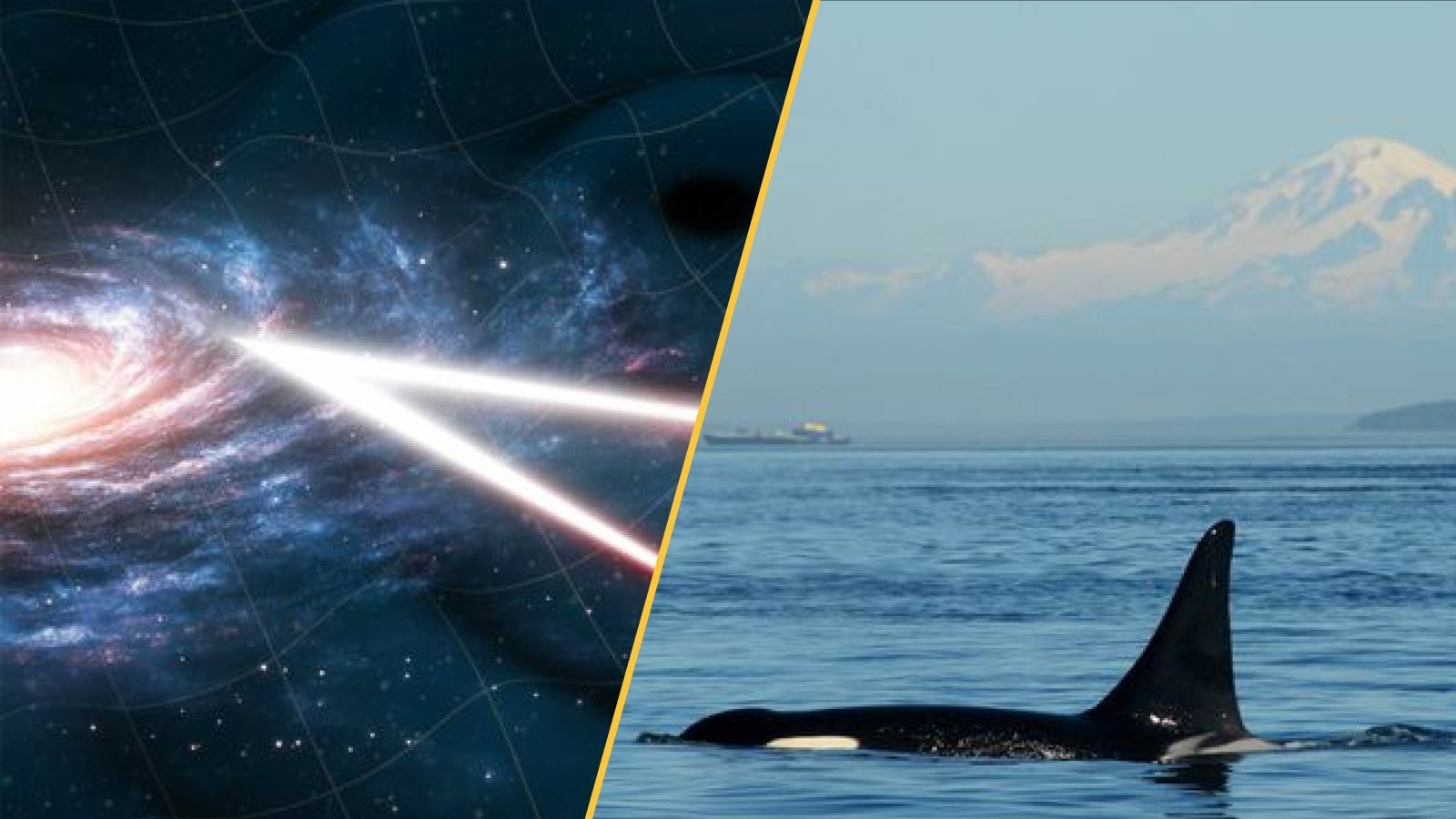
Disturbing evidence suggests cannibalism within orca populations off the coast of Russia. Washed-up fins with distinct bite marks indicate that certain orca groups are preying on others, a behavior previously suspected but now confirmed by genetic and physical evidence. This suggests a complex social dynamic where some groups resort to extreme measures, potentially driving tighter cohesion within victimized pods. This is important because it highlights how even apex predators struggle for survival, and how competition can lead to brutal outcomes.
Oracle Bones Unearth Ancient Climate Disaster
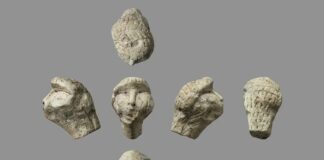
Engraved animal bones and tortoise shells from 3,250 years ago reveal that extreme weather played a key role in the fall of China’s Shang dynasty. These “oracle bones,” used for divination, now provide hard evidence of growing concerns about typhoons and floods during the dynasty’s final centuries. The sheer volume of weather-related inquiries suggests a society facing increasing climate instability. This matters because it demonstrates that societies have grappled with climate-driven collapse for millennia.
Black Hole Hum Could Solve Universe’s Expansion Mystery
A theoretical “hum” produced by colliding black holes could help resolve a major debate in cosmology: the Hubble tension. The rate at which the universe expands appears to differ depending on measurement methods, but the gravitational waves from merging black holes could provide a more accurate reading. This solution hinges on upgrading current detectors, but the potential impact is significant. Solving this tension could reshape our understanding of the universe’s fundamental properties.
Other Notable Science News
- Parasitic Ants: A species of Japanese ant consists entirely of parasitic queens that invade other colonies.
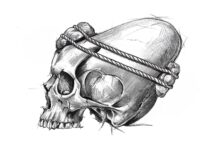
- Ancient Head Shaping: Anthropologists are unraveling the reasons behind intentional cranial deformation practiced globally for centuries.
- Mercury’s Liquid State: The unique properties of mercury, remaining liquid at room temperature, stem from its atomic structure.
- Barefoot Volcanologist: A self-taught volcanologist in Vanuatu prefers walking barefoot on active volcanoes, demonstrating a deep connection to the land.
Conclusion
From the ruthless efficiency of orca predation to the historical echoes of climate disasters, this week’s science news serves as a stark reminder of nature’s power and humanity’s vulnerability. The ongoing search for answers, whether through ancient bones or colliding black holes, underscores the relentless pursuit of understanding in a chaotic universe.