While the Moon may appear nearly complete in the night sky tonight, it hasn’t quite reached its peak illumination. We are currently in the final stages of the lunar cycle leading up to a Full Moon, offering a bright and detailed view for anyone looking upward.
Tonight’s Lunar Profile: The Waxing Gibbous
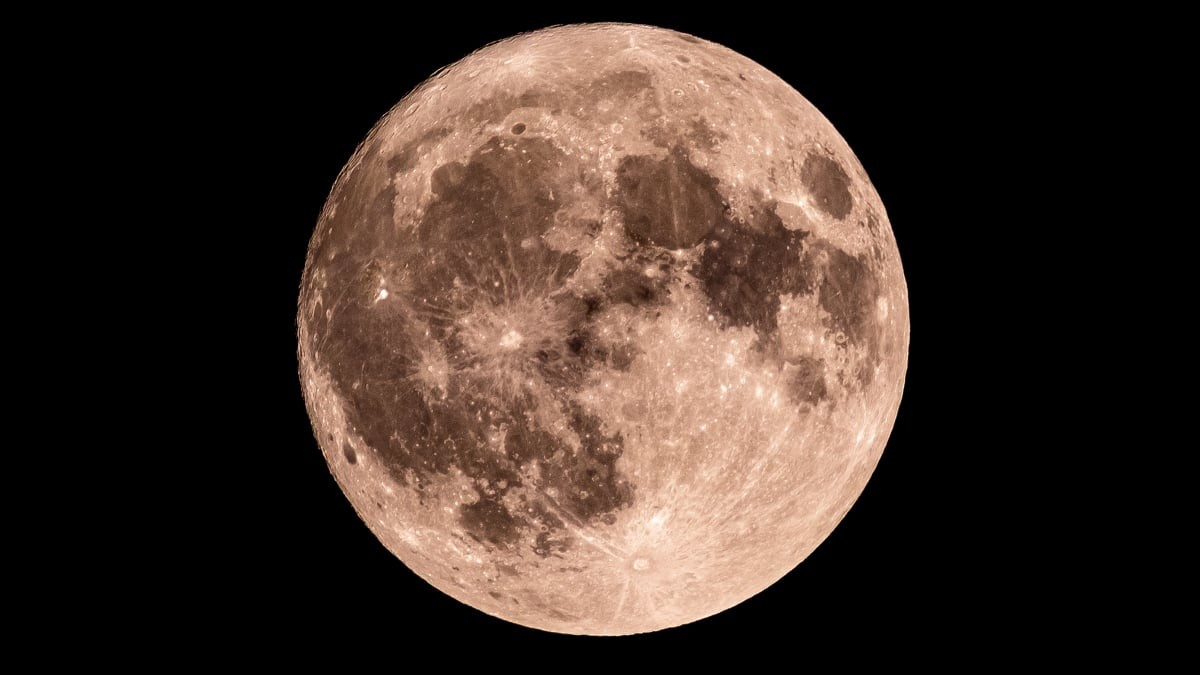
On Wednesday, April 29, the Moon is in its Waxing Gibbous phase. According to NASA, approximately 94% of the lunar surface is illuminated.
The term “waxing” indicates that the visible portion of the Moon is growing larger each night, while “gibbous” describes its shape—more than a half-circle but not yet a perfect sphere. This phase is a brief but beautiful window where the Moon is exceptionally bright, making it an ideal time for observation.
Viewing Guide: From Naked Eye to Telescope
Depending on the equipment you have available, the level of detail you can observe varies significantly. Here is a breakdown of what to look for tonight:
🔭 Without Equipment
Even with the naked eye, the Moon’s large dark patches, known as maria (Latin for “seas”), are clearly visible. Look for:
– Mare Tranquillitatis (Sea of Tranquility)
– Mare Imbrium (Sea of Showers)
– Mare Vaporum (Sea of Vapors)
🔍 With Binoculars
If you have a pair of binoculars, the lunar landscape becomes much more textured. You can begin to distinguish specific craters and smaller seas, such as:
– Mare Frigoris (Sea of Cold)
– Clavius Crater
– Alphonsus Crater
🔬 With a Telescope
For those using a telescope, the Moon reveals its complex topography. Beyond the features mentioned above, you can observe:
– The Apollo 17 landing site
– Rima Ariadaeus (a long, narrow lunar wrinkle ridge)
– The Fra Mauro Highlands
Looking Ahead: The Next Full Moon
The transition to a complete circle is imminent. The next Full Moon is expected on May 1, marking the first of two full moons scheduled for the month of May.
Understanding the Lunar Cycle
To understand why the Moon changes shape, it is helpful to look at its relationship with the Earth and the Sun. The Moon orbits the Earth roughly every 29.5 days, a cycle that results in eight distinct phases.
Because the Moon does not emit its own light, we only see the portions of its surface that are being struck by sunlight. As the Moon moves through its orbit, the angle of this sunlight changes from our perspective on Earth, creating the following cycle:
- New Moon: The Moon is between the Earth and the Sun; the visible side is dark.
- Waxing Crescent: A small sliver of light appears on the right side (in the Northern Hemisphere).
- First Quarter: Exactly half of the Moon is illuminated on the right.
- Waxing Gibbous: Most of the Moon is lit, but it is not yet full.
- Full Moon: The entire face of the Moon is illuminated.
- Waning Gibbous: The illuminated portion begins to shrink from the right side.
- Third Quarter: Half of the Moon is illuminated on the left side.
- Waning Crescent: A final thin sliver of light remains on the left before the cycle resets.
The shifting appearance of the Moon is a visual map of its orbital journey around our planet, driven entirely by the changing angles of sunlight.
Summary: Tonight’s 94% illuminated Waxing Gibbous Moon offers an excellent opportunity for stargazing, providing detailed views of lunar craters and seas that will culminate in a Full Moon on May 1.