As NASA’s Artemis II mission carries four astronauts further from Earth than any human has ventured since 1972, a steady stream of high-definition images is captivating millions on social media. These breathtaking views of the Moon and Earth have sparked a debate: are these photos vital scientific data, or are they simply the most expensive “holiday snapshots” in human history?
The View from the Orion Spacecraft
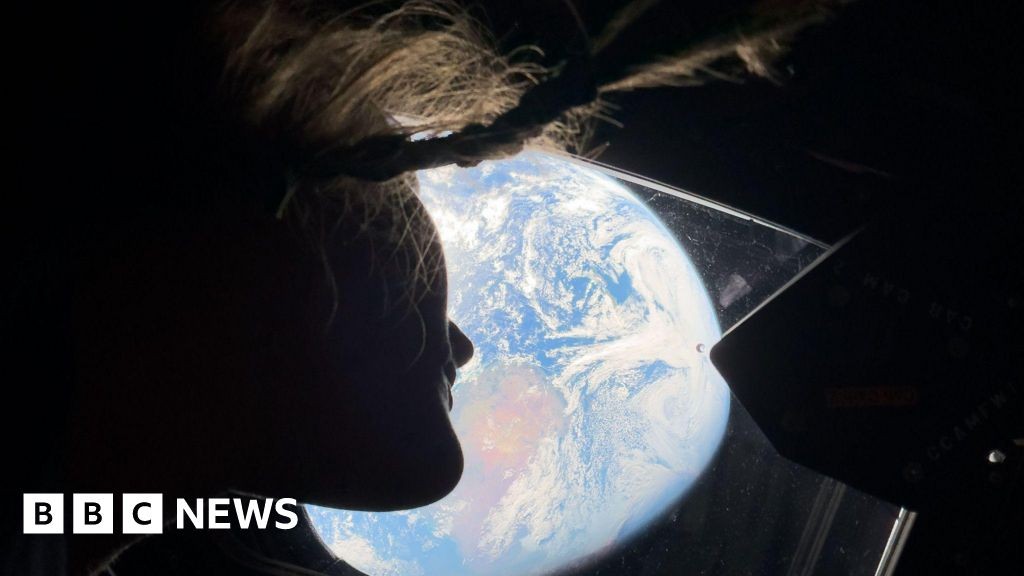
The crew of the Orion spacecraft is equipped with a suite of 32 cameras—15 mounted to the vessel and 17 handheld by the astronauts. Interestingly, NASA isn’t just using cutting-edge space hardware; the crew is utilizing standard consumer technology, including Nikon D5 digital cameras, GoPros, and smartphones.
The mission has been as much about human experience as it is about technical precision. NASA reported that the crew was so intent on watching the Earth and Moon pass by that the Orion’s observation windows became dirty, requiring the astronauts to follow specific cleaning instructions.
Some of the released images highlight this unique perspective:
– “Hello, World” : Captured by Commander Reid Wiseman when the spacecraft was roughly equidistant between Earth and the Moon, this shot features a view of Earth eclipsed by the Sun, revealing two auroras and the glow of Venus.
– The Orientale Basin : A stunning shot of a massive crater on the Moon’s far side. NASA claims this is the first time the entire basin has been seen by “human eyes,” emphasizing that the human brain can detect subtle nuances in color and texture that robots might miss.
The Scientific Reality Check
While NASA emphasizes the “nuanced appreciation” human observers bring to lunar features, many in the scientific community suggest a more skeptical view.
Professor Chris Lintott, an astrophysicist at the University of Oxford, argues that the primary value of these images is artistic rather than scientific. He points out that since the Apollo era, robotic explorers have been mapping the Moon with extreme precision. Recent missions, such as India’s Chandrayaan-3 and China’s Chang’e-6, have already provided highly detailed maps and even collected samples from the lunar far side.
“Unless something very unusual happens, there will be nothing for the astronauts to discover,” Lintott noted, adding that while a meteor impact might be visible to the naked eye, systematic scientific discovery is better handled by video cameras and sensors than by looking out a window.
Why the “Stunning” Photos Matter
If the scientific value is debatable, why is NASA working so hard to promote these images? The answer lies in geopolitics and public perception.
- The New Space Race : The United States is currently locked in a high-stakes competition with China to see who can return humans to the lunar surface first. A successful Artemis II mission serves as a powerful signal of American technological dominance.
- Funding and Legitimacy : NASA is operating in a complex political landscape. The agency must prove its continued relevance and value to the public and the government, especially as private entities like SpaceX rapidly advance space capabilities.
- The “Blue Marble” Effect : Historically, powerful images of Earth—like those from the Apollo era—have had a profound psychological impact, reminding humanity of our shared vulnerability and unity. NASA is likely hoping Artemis II can deliver a similar moment of global resonance.
Conclusion
While the images from Artemis II may not provide groundbreaking new data that robots haven’t already captured, they serve a vital role in humanizing space exploration. Whether viewed as scientific evidence or artistic inspiration, these photos are essential tools in NASA’s effort to maintain public support and assert leadership in the modern space race.