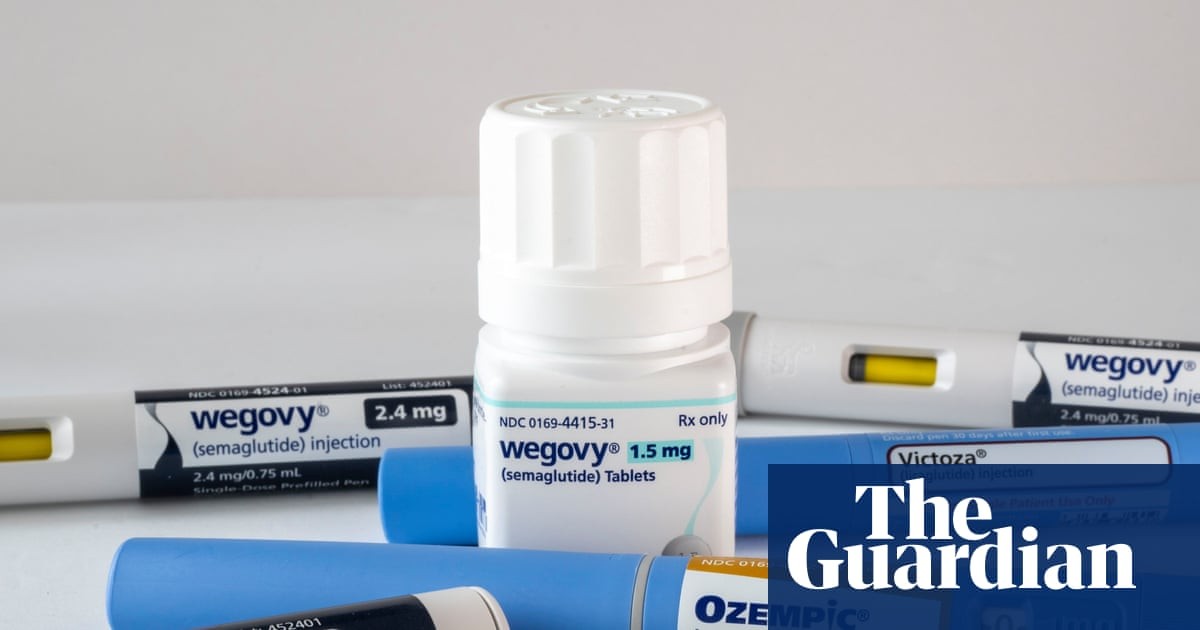
New research suggests that the blockbuster weight-loss drug semaglutide—marketed as Wegovy and Ozempic—could be manufactured for as little as $3 per monthly dose, potentially opening access to millions in low- and middle-income countries. This development arrives as key patents are set to expire, allowing generic competition and significantly reducing production costs.
The Global Obesity Crisis and Access Barriers
Over a billion people worldwide live with obesity, a number rapidly rising in developing nations due to dietary shifts and sedentary lifestyles. The World Health Organization (WHO) designated semaglutide as an essential medicine in 2023, yet high prices have severely restricted its availability in the regions where it is most needed.
Currently, the drug costs around $200 per month in the US and £120 in the UK. This price point makes it inaccessible to a vast majority of the global population. The potential drop to $3 per dose represents a dramatic shift, making treatment feasible for those who cannot afford current market rates.
Patent Expiration and Generic Competition
The study, published as a pre-print, details how semaglutide could be mass-produced at this lower cost in injectable form. Pill-based formulations are estimated at $16 per month. Core patents expire this year in ten countries including Brazil, China, India, and South Africa, immediately paving the way for generic manufacturers to enter the market.
Moreover, researchers identified 160 countries—home to 69% of people with type 2 diabetes and 84% of those living with obesity—where patents were never filed. This means even broader access is possible without waiting for patent expirations.
Beyond Cost: Systemic Challenges Remain
Researchers emphasize that cheaper drugs alone won’t solve obesity. Underlying issues such as food insecurity, poverty, urbanization, and aggressive marketing of unhealthy foods need to be addressed. Coordinated policies and procurement planning will be critical to maximize the benefits of lower drug prices.
Dr. Nomathemba Chandiwana, a specialist in obesity, notes that approximately 27% of adults globally qualify for semaglutide treatment, but the vast majority live in countries where access is limited. Integrating the drug responsibly into broader healthcare systems is now the key challenge.
A Proven Model for Essential Medicines
The potential for affordable semaglutide follows a pattern seen with HIV, tuberculosis, malaria, and hepatitis drugs, where low-cost generic production has saved millions of lives. Researchers are confident that this success can be repeated.
Obesity is linked to severe health consequences, including heart disease, diabetes, stroke, and cancer. The global death toll attributed to excess weight reaches 3.7 million annually. The number of people living with diabetes has surged from 200 million in 1990 to 830 million in 2022, with the fastest growth occurring in low- and middle-income nations.
The research is based on verified shipment data from key ingredient suppliers, using the same methodology that accurately predicted generic pricing for other essential medications. This suggests the $3 price point is not optimistic speculation but a realistic projection based on production costs.
Ultimately, the potential for affordable semaglutide marks a significant step toward addressing the global obesity crisis, but success hinges on systemic changes and responsible implementation alongside lower prices.