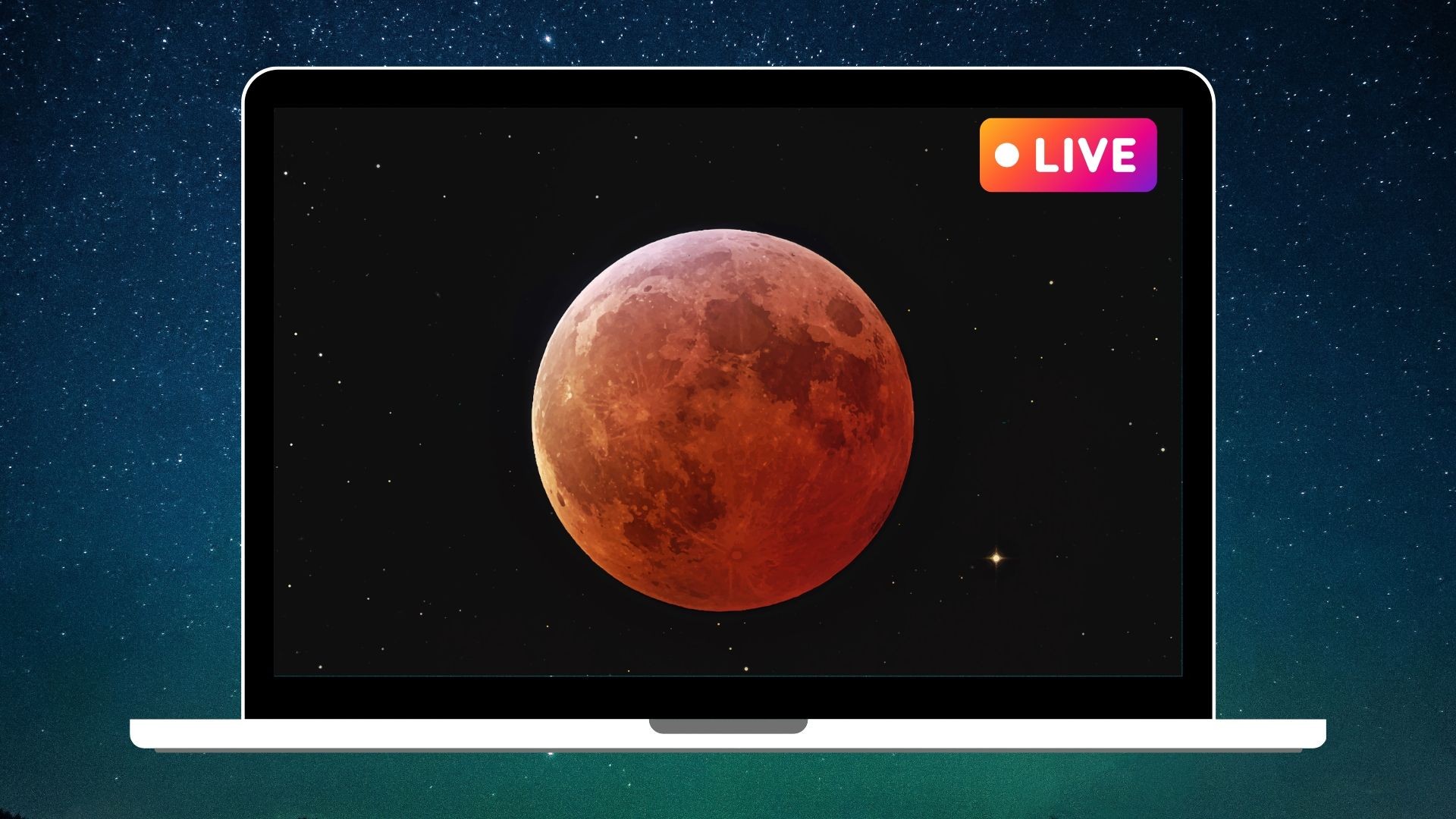
A total lunar eclipse, often called a “blood moon” due to the reddish hue the Moon takes on during totality, will be visible to billions across the Americas, Asia, and Oceania in the early hours of March 3. This event occurs when Earth passes directly between the Sun and Moon, casting a shadow that fully covers our natural satellite.
What Makes This Eclipse Special?
Unlike solar eclipses, lunar eclipses are safe to view with the naked eye and don’t require special equipment. The red coloration is caused by sunlight filtering through Earth’s atmosphere, scattering blue light and allowing red wavelengths to reach the Moon. This atmospheric effect is why the Moon appears coppery red during totality, making it a striking and awe-inspiring sight.
Over 3.3 billion people have the potential to witness this event from their location, but cloudy skies or unfavorable positioning can obscure the view. Fortunately, several free livestreams will broadcast the eclipse in real-time.
Livestream Options
Here are three free YouTube streams that will cover the event:
- Time and Date: Coverage begins at 4:30 a.m. EST (0930 GMT), offering live views from Los Angeles and Western Australia with commentary from journalist Anne Buckle and astrophysicist Graham Jones.
- Virtual Telescope Project: Starting at 3:30 a.m. EST (0830 GMT), this stream will provide a global perspective with contributions from astrophotographers in Australia, the U.S., and Canada. Founder Gianluca Masi will provide live commentary.
- Griffith Observatory: The observatory in Los Angeles will begin streaming at 3:37 a.m. EST (0837 GMT), perfectly positioned to capture the entire eclipse from penumbral phase through totality.
Capturing Your Own Photos
For photographers, this eclipse presents an excellent opportunity to capture stunning images of the “blood moon.” Expert guides and equipment recommendations are available online to help achieve the best results.
The March 3 total lunar eclipse is a visually spectacular event that will captivate skywatchers worldwide. Whether you view it directly or through a livestream, this eclipse is a reminder of the dynamic interplay between Earth, the Moon, and the Sun.