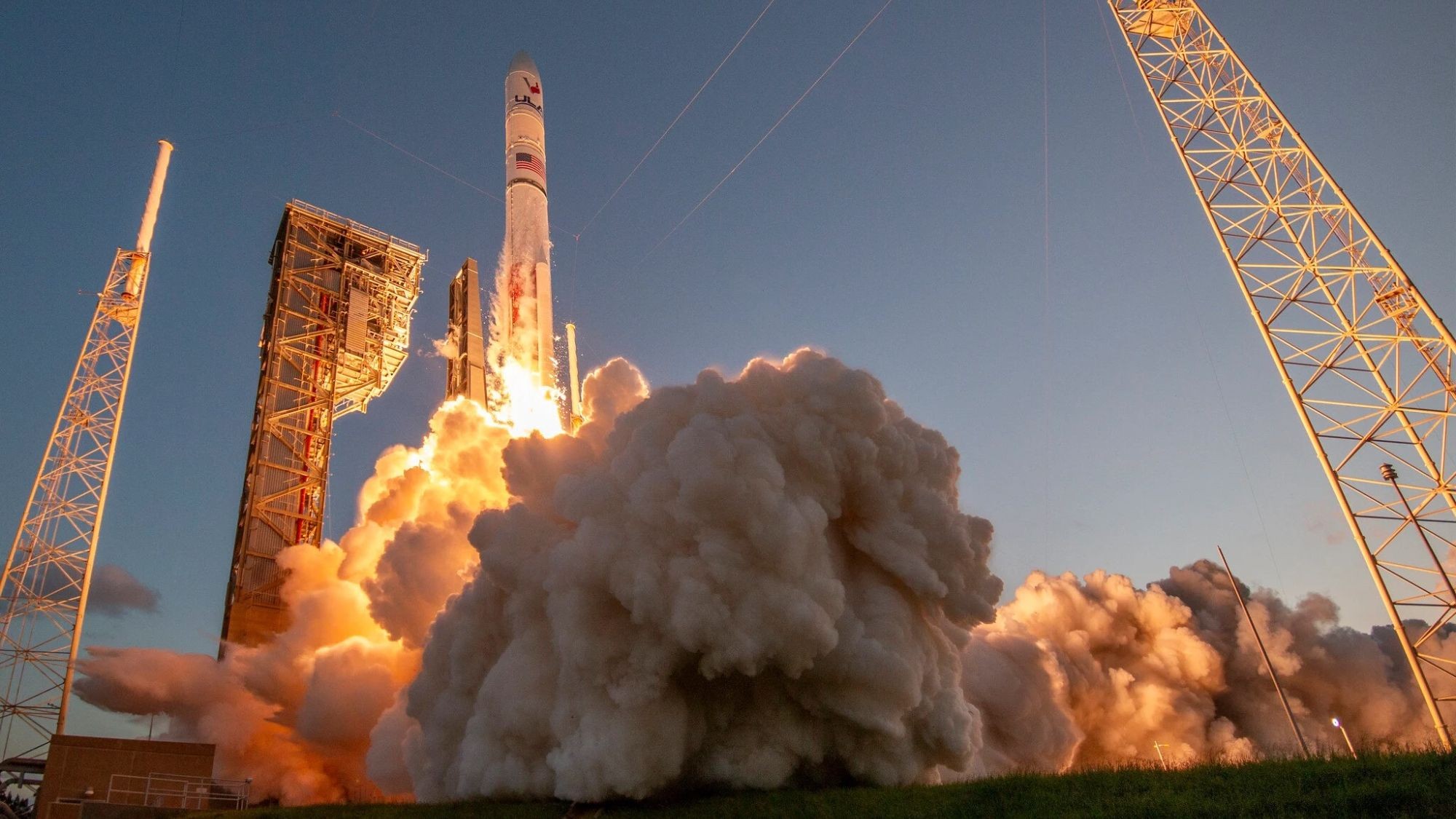
The U.S. Space Force has reassigned an upcoming GPS satellite launch from United Launch Alliance’s (ULA) new Vulcan Centaur rocket to a SpaceX Falcon 9. This decision follows reported anomalies with the Vulcan’s solid rocket boosters (SRBs), prompting a temporary pause in national security-related launches on the new vehicle.
Vulcan Rocket Anomaly & Response
ULA’s Vulcan Centaur, designed to replace the older Atlas V, experienced SRB issues on two of its four flights to date: in October 2024 and again last month during the USSF-87 mission. While both launches ultimately succeeded, the Space Force deemed further investigation necessary before resuming national security payloads. This means the GPS III-8 mission – originally intended for Vulcan – will now fly on a SpaceX Falcon 9, ensuring continued delivery of advanced GPS capability.
“We are fully committed to leverage all options available for responsive and reliable launch for the nation,” stated Col. Ryan Hiserote, director of the National Security Space Launch system program.
The Switch & Future Plans
The GPS III-8 satellite, the final in the GPS III series, is slated to launch from Cape Canaveral Space Force Station no earlier than late April. This move underscores the Space Force’s flexibility in adapting to launch vehicle issues.
In exchange, the Vulcan Centaur will take over the USSF-70 mission, which was previously assigned to SpaceX’s Falcon Heavy. Officials indicate this shift will occur no earlier than summer 2028. This reshuffling highlights the strategic importance of maintaining multiple launch options for national security purposes.
The decision to move launches between SpaceX and ULA demonstrates the Space Force’s commitment to operational agility and reliable delivery of critical space assets, even in the face of technical challenges.