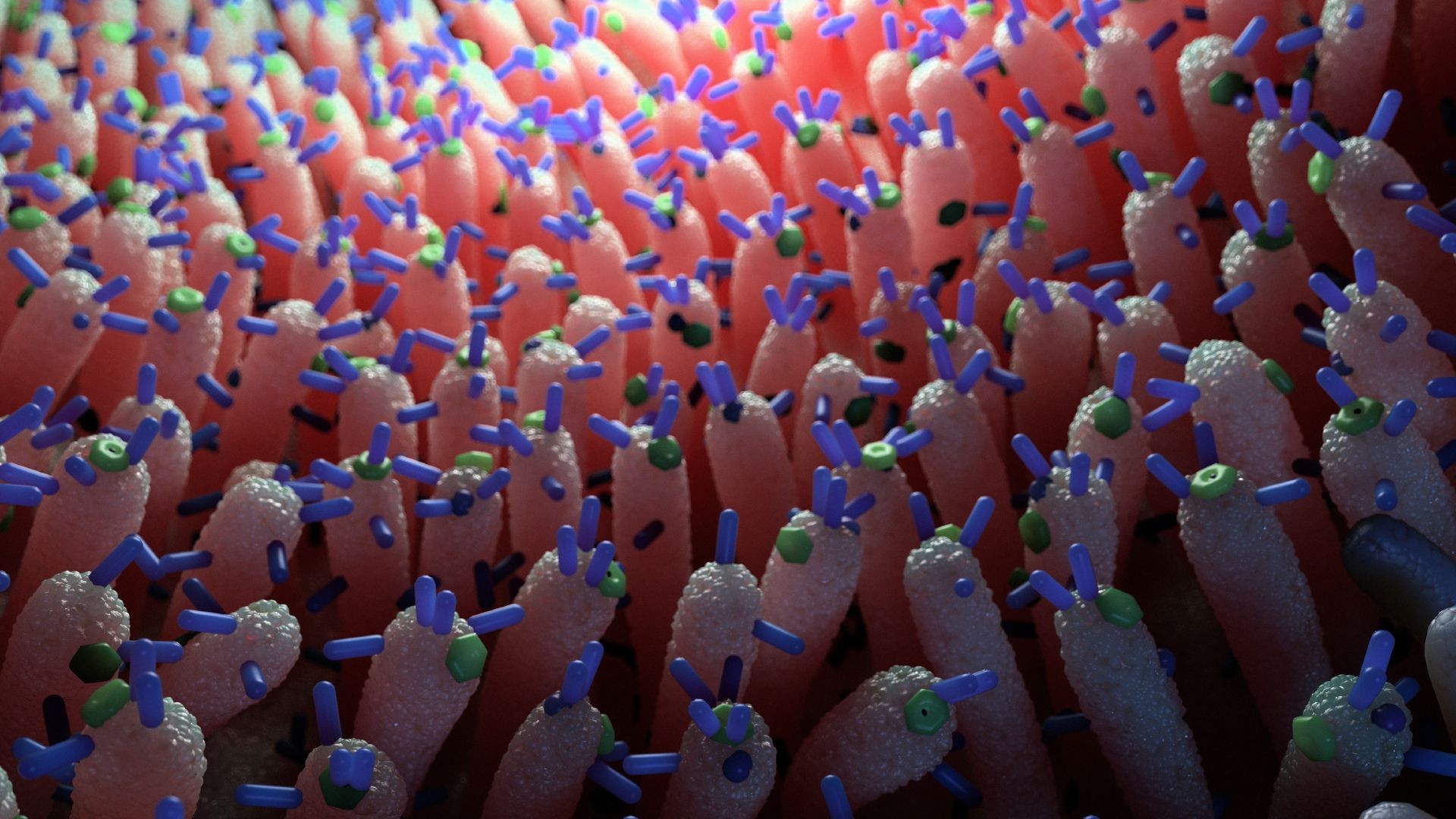
New research suggests that viruses residing in the gut – collectively known as the gut virome – play a surprising role in regulating blood sugar levels. A study conducted on mice reveals that these viruses activate the immune system in a way that enhances carbohydrate metabolism, effectively reducing spikes in blood glucose. The findings, published in Cell Host & Microbe on March 11, could reshape our understanding of metabolic disorders like diabetes.
The Unexpected Role of the Gut Virome
For years, the gut microbiome (bacteria, fungi, etc.) has been the primary focus of digestive health research. However, this study highlights that viruses, often overlooked, are the most abundant biological entities in the human body, outnumbering all other cells combined. Despite their prevalence, their function has remained largely mysterious. The current research begins to fill that gap.
Researchers disrupted the gut viromes of mice using an antiviral cocktail, then fed them either a high-carbohydrate or high-fat diet for 25 days. Mice with a depleted virome showed no significant changes when consuming a high-fat diet. However, those fed a high-carbohydrate diet exhibited impaired sugar tolerance, even with increased expression of genes linked to carbohydrate digestion. This led to rapid blood glucose spikes, mirroring the condition seen in diabetes.
Critically, the antiviral did not impact gut bacteria, proving the virome’s effects are independent of bacterial communities. Introducing viruses back into sterile mice—either via fecal transplant or direct injection—improved glucose tolerance, further solidifying the virome’s role.
Immune System Activation: The Key Mechanism
The study pinpointed how the virome influences metabolism: through immune activation. Fluorescent viral particles were observed being absorbed by T cells, triggering the release of proteins that regulate glucose transport into the bloodstream. Without the virome’s influence, this immune response weakens, resulting in faster, higher blood sugar increases.
Experiments using human small intestine organoids (miniature lab-grown guts) mirrored these findings, suggesting the same mechanism applies to human physiology. This is a completely new discovery; viruses are now known to directly stimulate carbohydrate metabolism, a fundamental energy pathway.
Implications for Future Therapies
The research raises the possibility of manipulating the virome to treat metabolic diseases. While still in early stages, the findings suggest that therapeutic strategies targeting gut viruses could become a reality. However, experts caution that much more research is needed to understand how different viral strains interact with the gut and immune system in humans before clinical applications can be developed.
“The fact that the virome can directly stimulate and activate carbohydrate metabolism… is completely novel.”
— Jeremy Barr, Monash University virologist
This study underscores that viruses aren’t just pathogens. They are integral components of gut health, interacting with the immune system in ways previously unknown. The future of metabolic research will likely involve a much broader look at the complex interplay between viruses, bacteria, and human physiology.