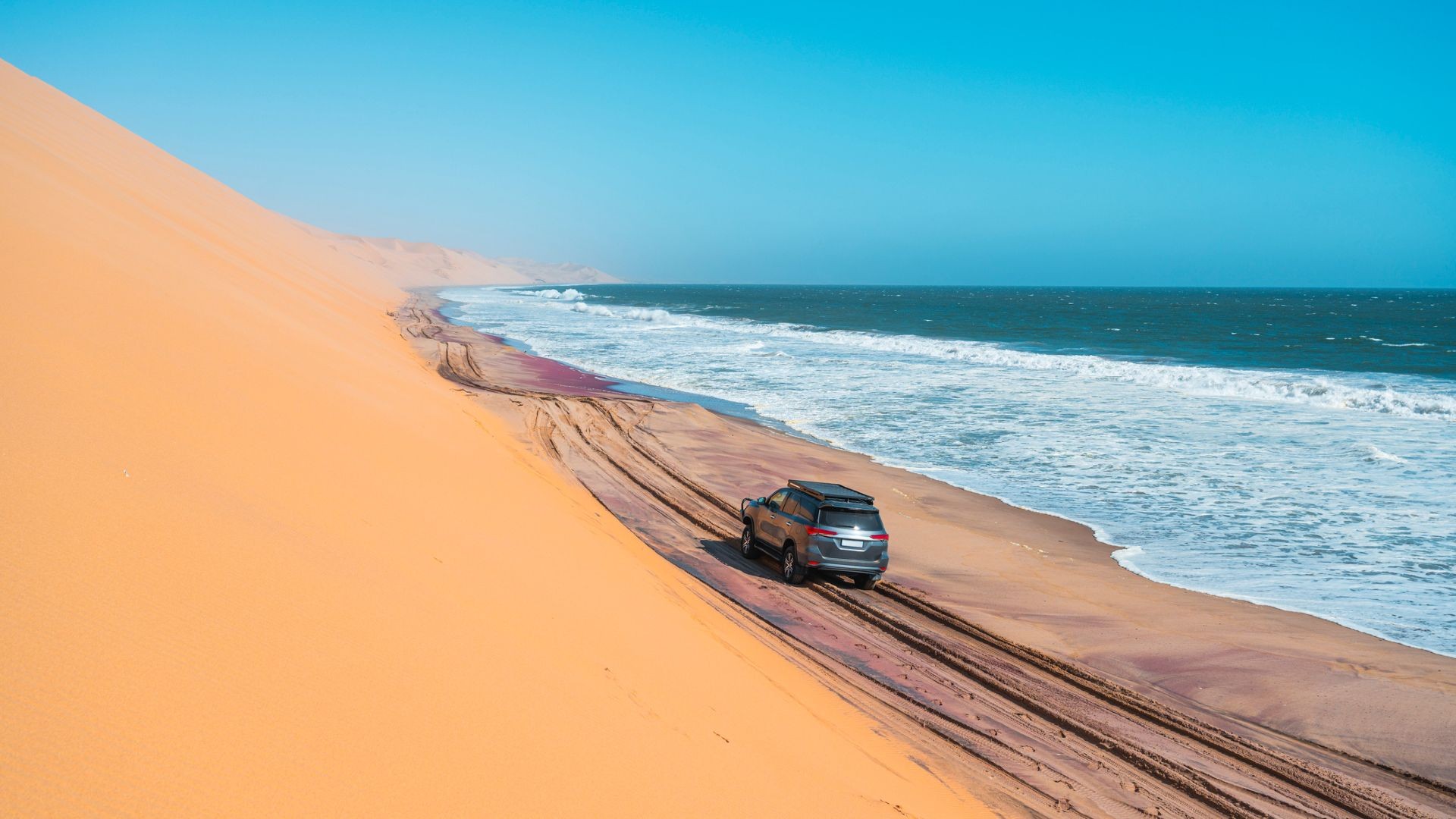
Deserts next to oceans seem paradoxical, but some of the world’s driest environments – like the Atacama in Chile and the Namib in Africa – lie precisely along coastlines. This isn’t an accident; it’s a consequence of atmospheric and geographic forces working in concert. The key to understanding this phenomenon lies in how air moves, how landforms influence moisture, and how ocean currents behave.
The Role of Atmospheric Circulation
The distribution of deserts is closely tied to global air patterns. Most deserts form near 20-40 degrees north and south of the equator, a region known as the subtropical belt. This happens because warm air rises at the equator due to intense sunlight, creating low pressure and heavy rainfall. This rising air then spreads outward, cools, and descends in the subtropical zones, suppressing cloud formation and leading to arid conditions.
The Sahara and Kalahari are prime examples of this process. The descending air acts like a lid, preventing moisture from reaching the ground.
The Impact of Trade Winds and Ocean Currents
Horizontal air movement also plays a crucial role. Trade winds near the equator blow from east to west, dropping moisture on the eastern sides of continents while leaving the western sides drier. The Namib Desert exemplifies this: rainfall occurs in the mountains to the east, not within the desert itself.
Cold ocean currents further intensify dryness. When air passes over cold currents, it cools and becomes stable, hindering convection (rising air). This means little moisture evaporates, and what does remains trapped near the surface, often creating foggy conditions rather than rainfall. The cold Humboldt Current off the coast of Chile is a major factor in the Atacama’s extreme aridity.
Mountain Ranges and Rain Shadows
Mountains exacerbate desert formation through a process called orographic lift. Moist air forced over mountain ranges cools and releases precipitation on the windward side. By the time the air descends on the leeward side, it’s significantly drier, creating a rain shadow. The Andes Mountains in South America, for instance, wring out moisture from winds coming off the Amazon rainforest, leaving the western slopes of Chile – home to the Atacama – exceptionally dry.
The contrast between Seattle (39.3 inches of rain annually) and Yakima (8 inches) on opposite sides of the Cascade Mountains illustrates this effect powerfully.
Unique Adaptations in Coastal Deserts
These coastal deserts aren’t just dry; they also have unique characteristics. They tend to have more stable climates than inland deserts, allowing for specialized adaptations among plants and animals. For example, Namib beetles have evolved to harvest water directly from fog, an innovation that has even inspired the design of more efficient fog-collecting nets.
Polar Deserts Follow Similar Principles
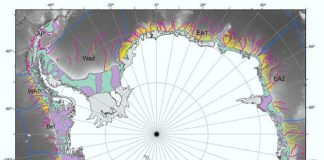
The same atmospheric and geographic factors also contribute to the formation of polar deserts like Antarctica. Extreme cold limits air’s ability to hold moisture, while strong winds and ocean currents block weather systems from reaching the continent.
Ultimately, the coexistence of deserts and oceans highlights how climate patterns, landforms, and ocean currents combine to create some of the most extreme environments on Earth. These arid coastal regions aren’t anomalies, but rather logical outcomes of complex atmospheric interactions.