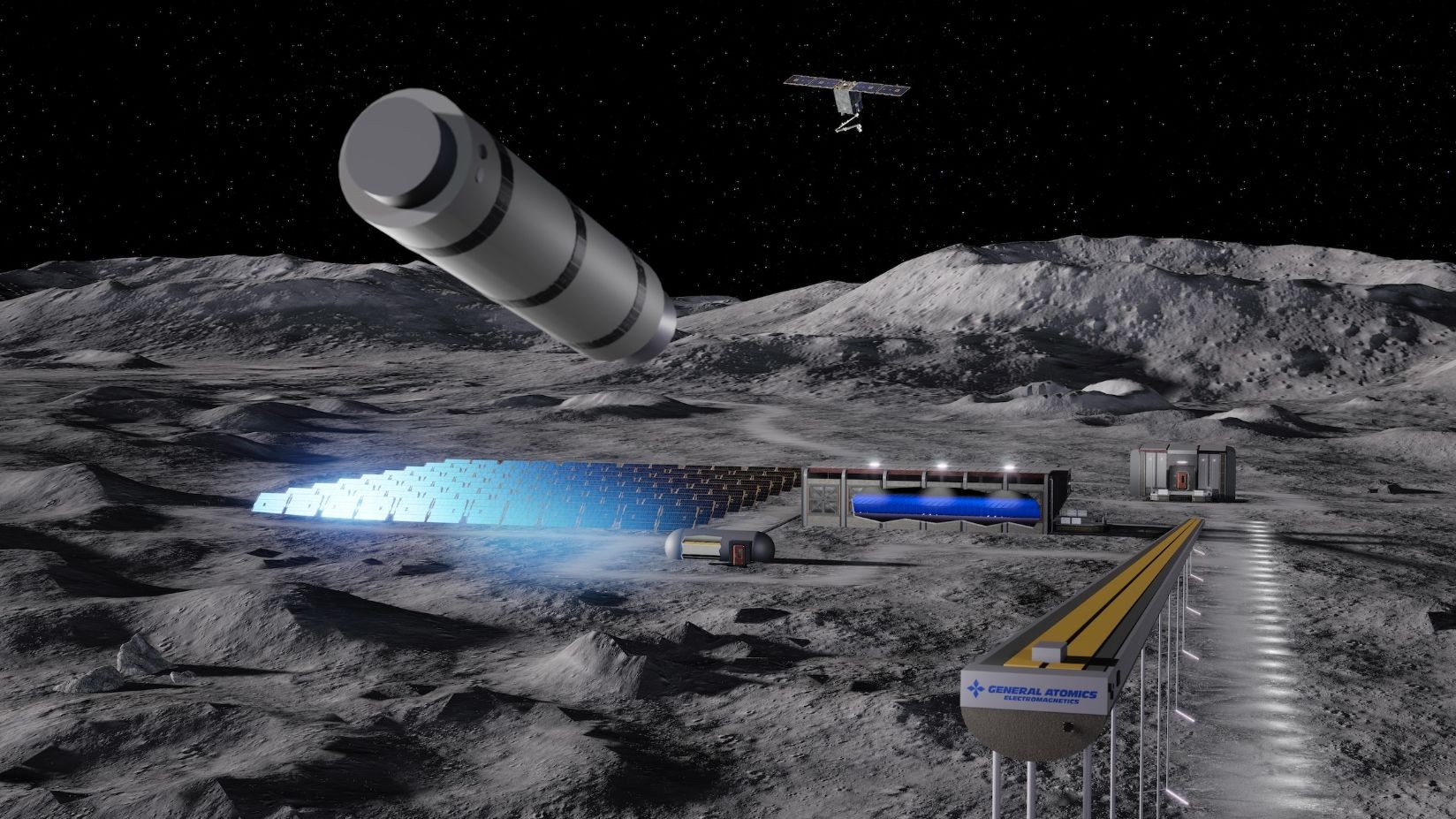
Elon Musk, CEO of SpaceX, recently outlined ambitious plans to establish a satellite manufacturing facility on the moon, complete with a “mass driver” – essentially a colossal electromagnetic catapult – to launch AI-powered satellites directly into deep space. This concept, while futuristic, builds upon decades of research into lunar-based space infrastructure and represents a potential shift in how we approach space-based computing and resource utilization.
The Vision: Lunar Factories and Electromagnetic Launchers
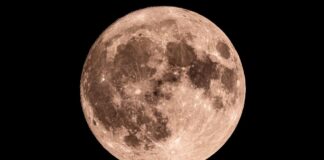
Musk’s proposal, detailed in a February update and reinforced during an all-hands meeting with xAI staff, centers on reducing the cost of AI compute by moving production off-Earth. He estimates that within two to three years, space-based AI manufacturing will be the most economical option, leveraging the moon as a low-gravity, resource-rich platform. The key to this vision is the mass driver, a system capable of accelerating payloads into space without relying on expensive and inefficient rocket fuel.
“By using an electromagnetic mass driver and lunar manufacturing, it is possible to put 500 to 1000 TW/year of AI satellites into deep space.” – Elon Musk
The concept isn’t new. As early as 1974, space visionary Gerard O’Neill proposed similar lunar mass drivers, initially designed to hurl mined lunar ore into orbit for constructing space colonies and solar power satellites. MIT researchers, led by O’Neill and Henry Kolm, built prototypes demonstrating the feasibility of such systems, suggesting that even a relatively short 520-foot mass driver could launch significant amounts of material off the lunar surface.
Why Now? The Economics of Space-Based Computing
The resurgence of this idea is driven by the increasing demand for computing power, coupled with the falling costs of space access. SpaceX’s Starship megarocket, designed for massive cargo delivery, is critical to this plan. The moon offers unique advantages: abundant solar energy, a stable platform for manufacturing, and access to valuable resources like silicon, titanium, aluminum, and water ice.
Robert Peterkin of General Atomics Electromagnetic Systems has recently argued that electromagnetic launchers are a superior choice to chemical rockets because they can utilize lunar solar energy instead of importing fuel from Earth. The U.S. Air Force Office of Scientific Research has also funded studies into lunar electromagnetic launch systems, recognizing their potential for both national security and economic growth.
The Lunar Ecosystem: A Future Beyond Earth Dependence
The ultimate goal is to create a self-sustaining lunar ecosystem where resources are extracted, processed, and used to build infrastructure in space. This would reduce reliance on Earth-based supply chains, making space-based operations more affordable and scalable. SpaceX’s planned lunar base, coupled with Starship’s cargo capacity, will be crucial for enabling this vision.
The moon’s untapped resources are a key driver. Lunar materials can be used to resupply, repair, and refuel spacecraft in orbit at a fraction of the cost of delivering materials from Earth. This potential shift in space infrastructure could dramatically lower barriers to entry for further space exploration and development.
In conclusion, Elon Musk’s proposal to build a satellite catapult on the moon isn’t just another ambitious project. It’s a logical step toward making space-based manufacturing a reality, leveraging decades of research and the promise of cheaper, more sustainable space operations. The convergence of advanced rocketry, lunar resource utilization, and declining computing costs suggests that this vision might become a defining feature of the next generation of space exploration.