


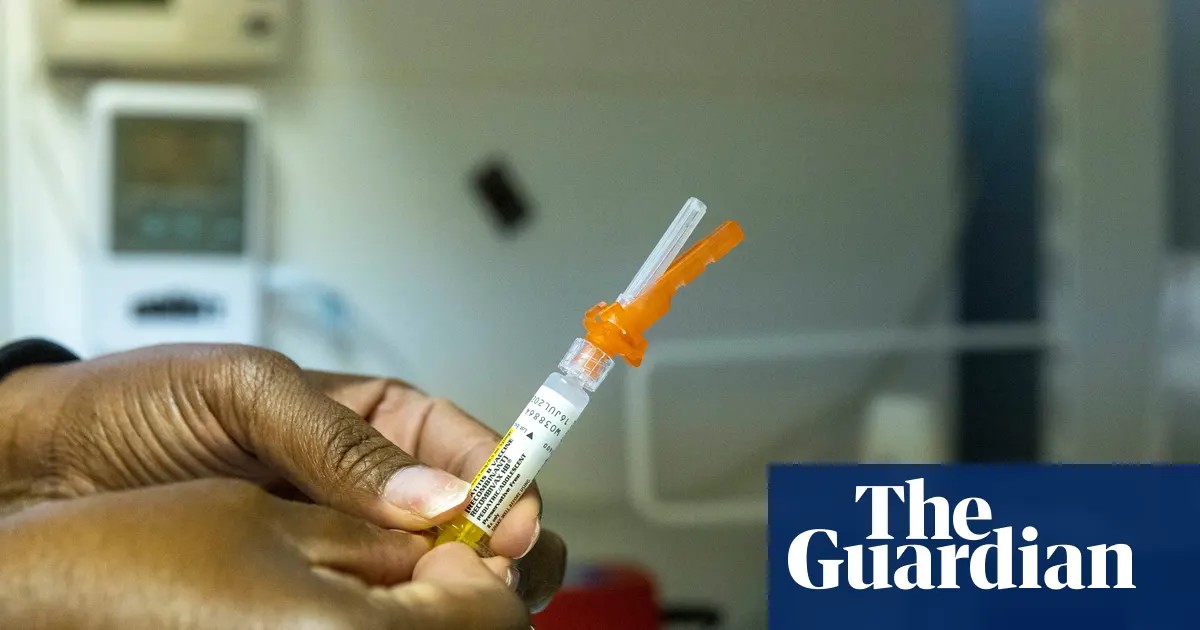
Guinea-Bissau has suspended a US-funded hepatitis B vaccine trial, sparking a dispute over research ethics and national sovereignty. The decision, confirmed by the country’s recently appointed health minister, Quinhin Nantote, comes after scrutiny of the study’s design and questions about transparency in international research practices. The Africa Centres for Disease Control and Prevention (Africa CDC) is backing Guinea-Bissau’s right to self-determination in the matter.
Controversy Over Trial Design
The proposed study, led by Danish researchers, aimed to compare the effects of administering hepatitis B vaccines at birth versus six weeks of age. Critics, including medical experts from Nigeria, argue the trial’s design is unethical: withholding a recommended vaccine from newborns introduces unnecessary risk when the WHO advocates for immediate vaccination. The study raised alarm because it would delay vaccination for half of the infants, potentially exposing them to preventable illness.
US Response and Sovereignty Claim
US health officials, including a spokesperson for the Department of Health and Human Services (HHS), initially insisted the trial would proceed. However, HHS also questioned the credibility of the Africa CDC, calling it “a powerless, fake organization.” The Africa CDC’s director-general, Jean Kaseya, dismissed these claims, asserting Guinea-Bissau’s sovereignty over its own health policies.
“It’s the sovereignty of the country,” Kaseya stated. “I don’t know what will be this decision, but I will support the decision that the minister will make.”
Ethics Committee Concerns
Guinea-Bissau’s initial approval of the study came from its six-person ethics committee, CNEPS, but the researchers later made changes without further review. The committee raised concerns about the updated protocol, particularly the planned delay in vaccination. The researchers did not seek approval from ethics boards in Denmark or the US, despite requirements under the Helsinki declaration for ethical oversight in both sponsoring and host countries.
Underlying Issues
The dispute highlights broader challenges in global health research: unequal power dynamics between funding nations and recipient countries, inadequate ethical oversight, and the need for locally-driven health priorities. Guinea-Bissau, one of the world’s poorest nations, struggles with basic access to healthcare, sanitation, and food security, making research oversight even more critical. The current reason why the vaccine is not achieving coverage in Guinea-Bissau is because there’s no funding, and the funding should try to promote the vaccine, not use children as lab rats.
The situation underscores the importance of protecting vulnerable populations from exploitation in research and respecting national sovereignty in health policy decisions. The outcome of this dispute will set a precedent for future international research partnerships in Africa and beyond.


