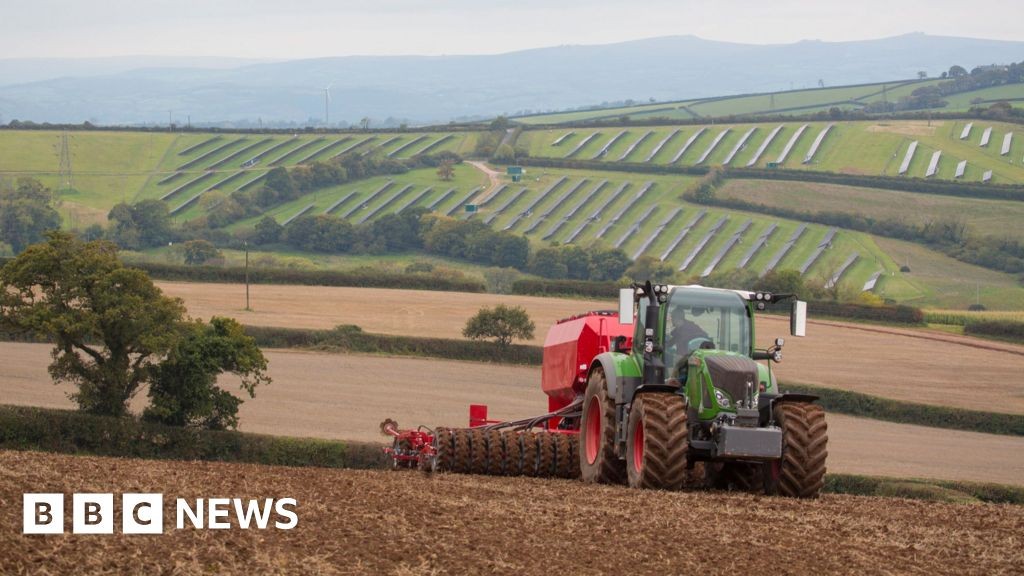
England’s farming sector faces a deepening crisis, with producers expressing bewilderment and fear over their future viability. An independent review, led by Baroness Minette Batters, highlights the urgent need for a comprehensive overhaul to ensure farm profitability – a situation complicated by rising costs, extreme weather, and contentious government policies.
The Core Problem: Eroding Margins and Policy Uncertainty
The review confirms that farm incomes are under severe strain. Costs are projected to be 30% higher in 2026 than in 2020, while England’s agricultural budget has remained stagnant since 2007. This squeeze occurs while farmers are asked to increase environmental compliance, without adequate funding. The most immediate concern, echoed by nearly every farmer surveyed, is the upcoming 20% inheritance tax on estates exceeding £1 million, set to take effect in April 2026.
This isn’t merely about money: the tax could force many family-owned farms to close, fundamentally altering the landscape of British agriculture. The loss of generational farms isn’t just an economic issue; it’s a cultural one.
Government Response: Partnership, Not Handouts
Environment Secretary Emma Reynolds pledged closer collaboration between government and the farming industry. A new “farming and food partnership board” will be established to drive growth and investment. The approach is explicitly framed as empowering farmers to thrive through market mechanisms, not through direct subsidies. Reynolds emphasized that a thriving agricultural sector benefits the entire country, ensuring food security, economic stability, and environmental stewardship.
However, the review calls for a “new deal” that acknowledges the true cost of sustainable food production. Farmers don’t seek handouts, Batters stated; they want fair returns for their labor and investment.
Key Demands from Industry Leaders
The National Farmers’ Union (NFU) and the Country Land and Business Association (CLBA) have echoed the need for immediate action. Top priorities include:
- Fairness in the supply chain: Ensuring producers receive a reasonable share of profits.
- Planning reform: Streamlining approvals for essential farm infrastructure (reservoirs, polytunnels).
- Sustainable Farming Incentive clarity: Resolving uncertainty surrounding post-Brexit agricultural payments.
- Inheritance tax revisions: Addressing the crippling financial burden on family farms.
The CLBA warns that inheritance tax bills could exceed annual profits for many businesses, making continued operation unsustainable.
What This Means: A System Under Pressure
The report is a clear warning that British farming is at a tipping point. The confluence of economic pressures, regulatory changes, and environmental challenges creates an unsustainable environment for producers. Without decisive action, the sector risks irreversible decline – threatening food security, rural economies, and the long-term viability of the countryside.
The government’s response is a step in the right direction, but its success hinges on concrete action and genuine partnership with the industry. The future of British farming depends on it.