


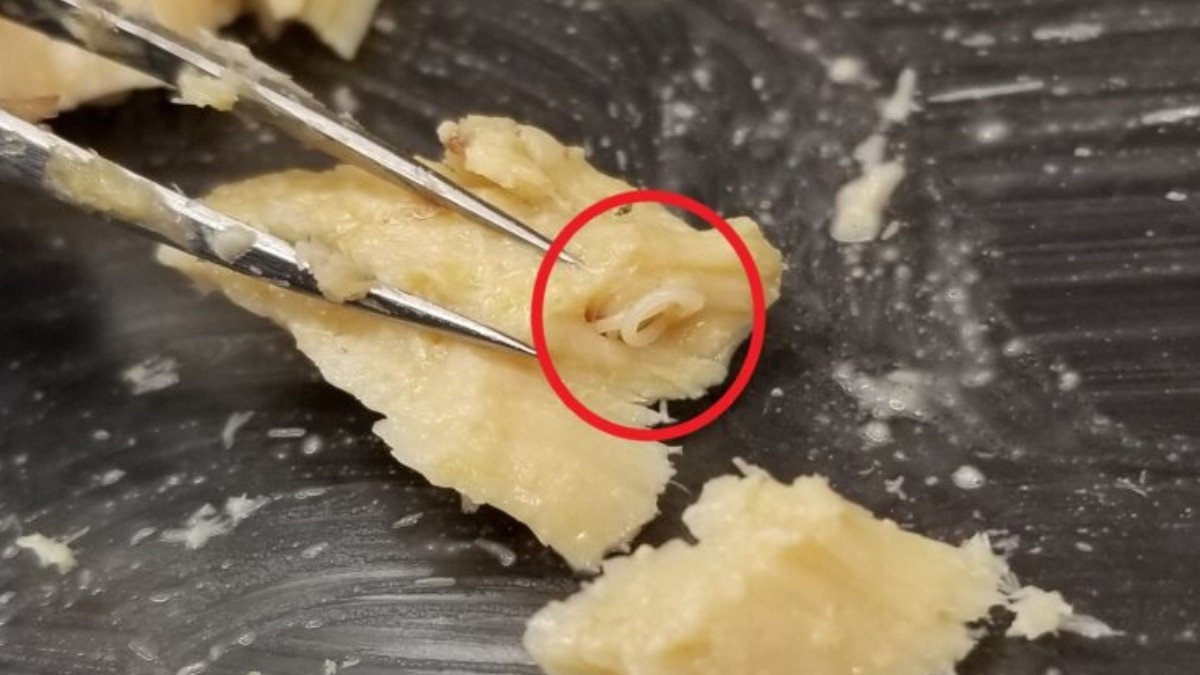
Forgotten cans of salmon, stored for decades, have become an unlikely source of data for marine ecologists, revealing trends in parasite populations that reflect the health and stability of Alaskan food webs. Researchers at the University of Washington repurposed expired canned salmon from the 1970s through 2021 as a unique archive to study changes in marine parasite populations over time. The findings, published in Ecology and Evolution, suggest that certain salmon species may serve as indicators of ecosystem health.
The Unexpected Archive
The story began when Chelsea Wood, a parasite ecologist, received an offer from the Seattle Seafood Products Association: boxes of old, expired canned salmon slated for disposal. Rather than waste, Wood recognized an opportunity – the cans represented a preserved snapshot of marine life across four decades. Parasites are sensitive to ecosystem changes, so their presence (or absence) in these samples could reveal how marine populations have evolved.
Worms as Ecosystem Indicators
The key organisms in this study were anisakids, small marine worms that infect salmon and other fish. These parasites complete their life cycle by moving through multiple species, including marine mammals. The presence of anisakids suggests a functioning food web, while fluctuations in their numbers can signal changes in host populations.
The researchers analyzed 178 cans containing four salmon species – chum, coho, pink, and sockeye – caught in the Gulf of Alaska and Bristol Bay. The results showed that anisakid populations increased over time in chum and pink salmon, suggesting stable or recovering ecosystems. However, worm levels remained steady in coho and sockeye, a pattern researchers are still working to understand.
Why This Matters
This research highlights how overlooked data sources can unlock valuable ecological insights. Traditionally, parasite studies have been limited by the difficulty of tracking populations over long periods. The canned salmon archive provides a rare, retroactive dataset that helps fill those gaps.
The findings also underscore the interconnectedness of marine ecosystems. By studying parasites, scientists can gain a deeper understanding of how species interact and how environmental changes impact food webs.
The study demonstrates that even seemingly useless byproducts can hold scientific value, offering a novel approach to ecological research. The researchers hope this method can be applied to other preserved food sources to uncover further insights into past and present ecosystem dynamics.


