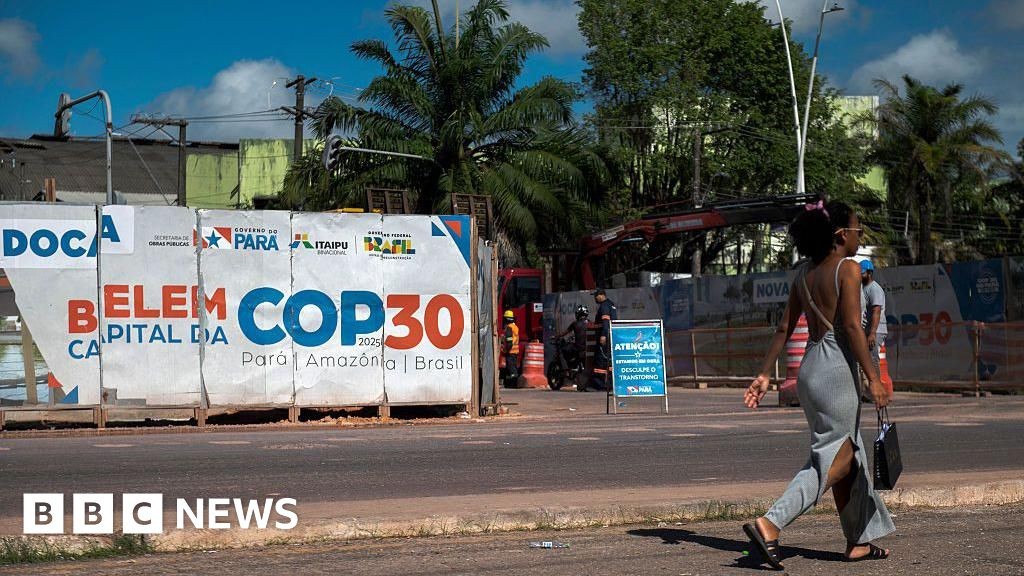
The 30th annual United Nations (UN) climate conference, COP30, concluded in Belém, Brazil, with a deal that many nations deemed inadequate. Despite high-level attendance from some world leaders, including the Prince of Wales and French President Macron, key figures such as China’s Xi Jinping and US President Trump were absent – highlighting a growing divide in global commitment to climate action.
The Core of COP: What It Is and Why It Matters
COP stands for “Conference of the Parties,” referring to the nearly 200 countries bound by the original 1992 UN climate agreement. These summits are critical because they represent the primary international forum for addressing climate change, where nations negotiate commitments to reduce emissions and adapt to its effects. The goal, set in the 2015 Paris Agreement, is to limit global warming to 1.5°C above pre-industrial levels—a threshold beyond which climate impacts become drastically more severe.
Challenges and Controversies at COP30
The choice of Brazil as the host nation, particularly Belém on the edge of the Amazon rainforest, presented logistical and symbolic challenges. Delegations faced high accommodation costs, potentially excluding poorer nations, while the controversial clearing of rainforest for summit infrastructure underscored the hypocrisy of hosting climate talks in a region under environmental stress. Brazil’s continued licensing of oil and gas exploration further fueled criticism.
Key Outcomes: Fossil Fuels, Finance, and Nature
The main sticking point was a stronger commitment to “transition away from fossil fuels,” as agreed at COP28. While the COP30 deal acknowledged the UAE agreement, it lacked concrete steps for implementation. Brazil proposed a separate “roadmap” for fossil fuel reduction, but it remains outside the core agreement.
On financing, the deal reaffirmed commitments to provide developing nations with at least $300 billion annually by 2035, with an aspiration to reach $1.3 trillion through public and private sources. However, richer nations have historically fallen short on their financial pledges, casting doubt on whether these targets will be met.
Efforts to protect nature included the launch of the “Tropical Forests Forever Facility,” aiming to raise $125 billion for forest conservation. Yet, the UK declined to commit public funds, relying instead on private investment. A deforestation roadmap, mirroring commitments from COP26, also failed to make it into the final deal.
Why This Matters: The Bigger Picture
The lack of breakthrough agreements at COP30 underscores a growing trend of fractured consensus on climate action. The US, under President Trump, has signaled a retreat from climate commitments, while other nations prioritize economic interests over environmental concerns. This inaction is particularly alarming given the urgency of the 1.5°C target, which scientists warn is slipping out of reach.
Despite the shortcomings, COP remains a vital platform for driving international climate action. Previous summits have yielded significant agreements, though enforcement remains a challenge. The commitment to the 1.5°C limit, though threatened, continues to inspire climate policy worldwide.
The outcome of COP30 suggests that meaningful progress will require overcoming political divisions and ensuring that commitments translate into concrete action. Without swift and decisive measures, the world risks exceeding critical climate thresholds with irreversible consequences.