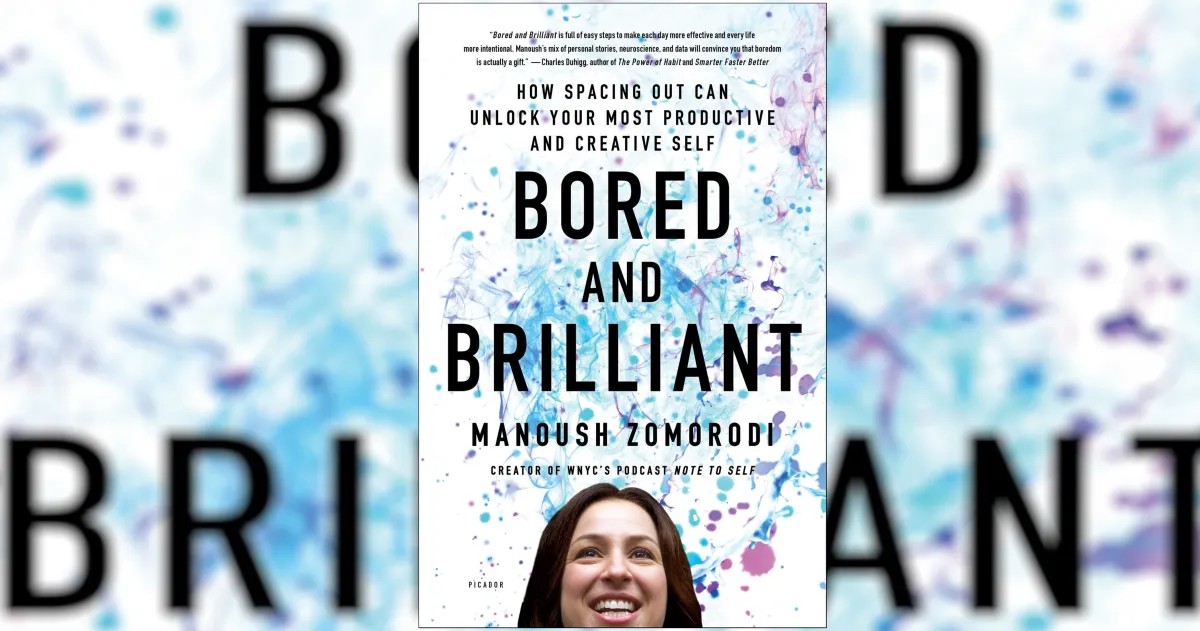
Modern life is engineered for constant stimulation. From endless scrolling to hyper-scheduled days, we’ve become conditioned to avoid downtime. But what if boredom isn’t a flaw, but a vital component of creativity and mental well-being? Manoush Zomorodi’s Bored and Brilliant makes a compelling case that deliberately spacing out – letting your mind wander – is essential in an age of relentless connectivity.
The Science of Spacing Out
Zomorodi, host of NPR’s TED Radio Hour, builds on her earlier work with Note to Self to explore the benefits of unstructured thought. The book doesn’t simply argue that daydreaming is okay; it presents scientific evidence that boredom activates the brain’s “default mode network” – a crucial system for problem-solving, memory consolidation, and self-reflection.
This isn’t just anecdotal. The modern digital landscape is designed to be addictive, and our brains aren’t wired to handle the constant influx of information. Zomorodi highlights research showing that even the presence of a phone diminishes our ability to fully engage with experiences, reducing our memory retention. The endless choices offered by streaming services or social media lead to “choice paralysis,” where we spend more time browsing than actually consuming.
Personal Experience and Collective Insight
Bored and Brilliant isn’t a detached academic study; it’s a deeply personal exploration. Zomorodi candidly shares her own struggles with tech addiction – compulsively checking Twitter, endlessly scrolling through Netflix, and accumulating unread articles. This vulnerability makes the book relatable, as many readers will recognize these patterns in themselves.
The book also draws on experiments conducted with listeners of Note to Self. The challenges – from meticulously tracking phone usage to deleting time-wasting apps – offer concrete steps for readers to reclaim their attention. The collective insights from these participants highlight that unplugging isn’t about asceticism; it’s about regaining control over your cognitive space.
Practical Steps Towards a More Mindful Life
Zomorodi doesn’t preach abstinence; she advocates for intentional disconnection. Each chapter concludes with a practical challenge designed to disrupt ingrained habits. The goal isn’t to eliminate technology entirely but to use it more mindfully.
The book subtly suggests that modern productivity hacks often miss the point. True innovation doesn’t come from squeezing more tasks into a day but from allowing the mind to wander, connect seemingly unrelated ideas, and stumble upon unexpected insights.
Bored and Brilliant is a reminder that the most valuable thing we can do for our brains isn’t to fill them with more data but to give them space to breathe. In an era of engineered distraction, embracing boredom is a radical act of self-care and a key to unlocking genuine creativity.