A geopolitical conflict in the Middle East is rapidly evolving into a potential humanitarian crisis. The ongoing blockade of the Strait of Hormuz —a narrow, vital maritime passage—is disrupting the global supply of fertilizer, threatening to drive up food prices and trigger widespread shortages across the Northern Hemisphere.
The Bottleneck: Why This Waterway Matters
The Strait of Hormuz is only about 30 miles wide at its narrowest point, yet it serves as a critical artery for the global economy. It is the primary transit point for roughly half of the world’s fertilizer feedstock, including essential raw materials like urea, ammonia, sulfur, and natural gas.
Because nearly half of all global food production relies on these fertilizers, any disruption in this specific channel has an immediate ripple effect on the world’s ability to grow crops.
The current crisis is driven by escalating tensions between Iran and the U.S., exacerbated by recent regional strikes. Despite a brief, two-week ceasefire, the waterway remains effectively closed to free shipping, leaving the global supply chain in a state of paralysis.
The Impact on Farmers: A Race Against the Calendar
For farmers in the Northern Hemisphere, timing is everything. The spring planting season is a rigid window; missing it can mean losing an entire year’s harvest. The blockade has thrown these traditional agricultural schedules into chaos.
The economic toll on producers is already mounting:
* Skyrocketing Costs: In the U.S., nitrogen fertilizer prices have surged by over 35%, while phosphorus has risen by 19%.
* Shrinking Margins: Many farmers, such as those in the American Midwest, are facing tens of thousands of dollars in unexpected costs, further squeezing profits already pressured by climate change and rising energy prices.
* Uncertainty: Farmers are being forced to make “blind” decisions, often without the ability to lock in prices or guarantee the supplies they need for staple crops like corn and soybeans.
The “Slow-Motion” Crisis: From Fields to Grocery Stores
Experts warn that this is not an immediate spike, but a “slow-moving food crisis.” Because of the way agricultural cycles work, there is a significant lag between a fertilizer shortage and its impact on the consumer.
“If the closure lasts three to six months, it overlaps the growing season in the Northern Hemisphere, and the increase will find its way into food prices and availability.”
— Veronica Nigh, Chief Economist at The Fertilizer Institute
The crisis follows a predictable, dangerous path:
1. Reduced Inputs: Farmers use less fertilizer to save costs.
2. Lower Yields: Less fertilizer results in smaller, less productive harvests.
3. Crop Switching: Farmers may abandon nitrogen-intensive crops (like corn) for less demanding ones, reducing the global supply of staples.
4. Price Inflation: These factors culminate in higher grocery bills and potential food shortages by late summer or fall, with the most severe impacts visible by the winter of 2027.
The Vulnerability of Modern Agriculture
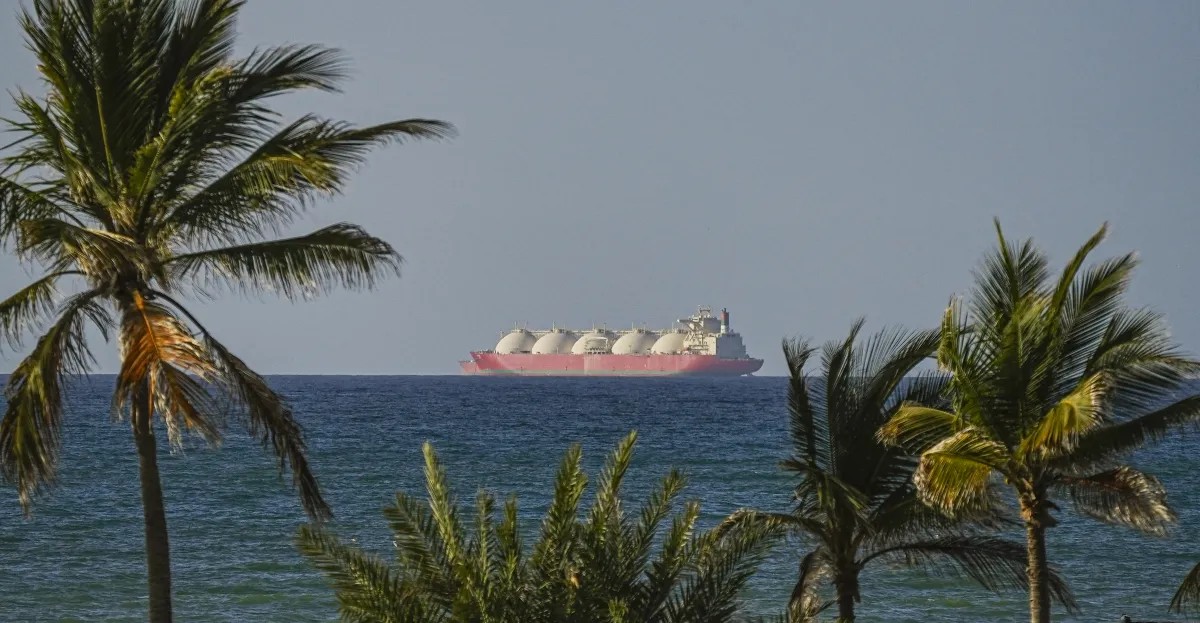
At the heart of this crisis is a technological and logistical vulnerability. Most nitrogen fertilizer is produced via the Haber-Bosch process, a century-old method that is incredibly energy-intensive and relies heavily on liquefied natural gas (LNG).
While the world is attempting to transition to “green” or “blue” ammonia to reduce dependence on fossil fuels, these technologies are not yet ready for large-scale deployment. Furthermore, the production of fertilizer cannot be easily “ramped up” or “down”; facilities require months to restart once they shut down.
This creates a dangerous dependency. While the U.S. is relatively insulated with high domestic production, over 1.8 billion people globally rely on imported gas and fertilizer to survive.
Conclusion
The blockade of the Strait of Hormuz has exposed a critical flaw in the global food system: the extreme concentration of essential agricultural inputs in a single, conflict-prone maritime corridor. Even if shipping resumes immediately, the disruption to the planting season may leave a lasting impact on global food security and affordability for years to come.