While the four astronauts of the Artemis II mission are currently making their way back to Earth for a scheduled splashdown on April 8, the mission has already achieved its scientific objectives. Even before the crew has touched down, NASA scientists are analyzing a “treasure trove” of data collected during the first lunar flyby in over 50 years.
The mission—comprising Reid Wiseman, Christina Koch, Victor Glover, and Jeremy Hansen—was not merely a transit exercise. It was a highly choreographed scientific operation designed to leverage the unique advantages of human observation.
The Human Advantage: Seeing What Robots Cannot
A central theme of the mission was the use of human perception to supplement robotic data. While satellites and rovers are excellent for precise measurements, human eyes possess a unique sensitivity to color nuances and light shifts that current camera technology struggles to replicate.
During the flight, the crew reported several groundbreaking visual observations:
- Chromatic Nuances: Instead of the monochromatic “black and white” lunar landscape often depicted, astronauts reported seeing green hues near the Aristarchus crater and olive-brown tones in other regions. These color shifts are critical indicators of the chemical composition of lunar materials.
- The “Sponge” Effect: Astronauts noted how the presence of Earth in their field of view altered their perception of the Moon, describing how the lunar surface seemed to lose its brightness and turn “matte,” like a sponge.
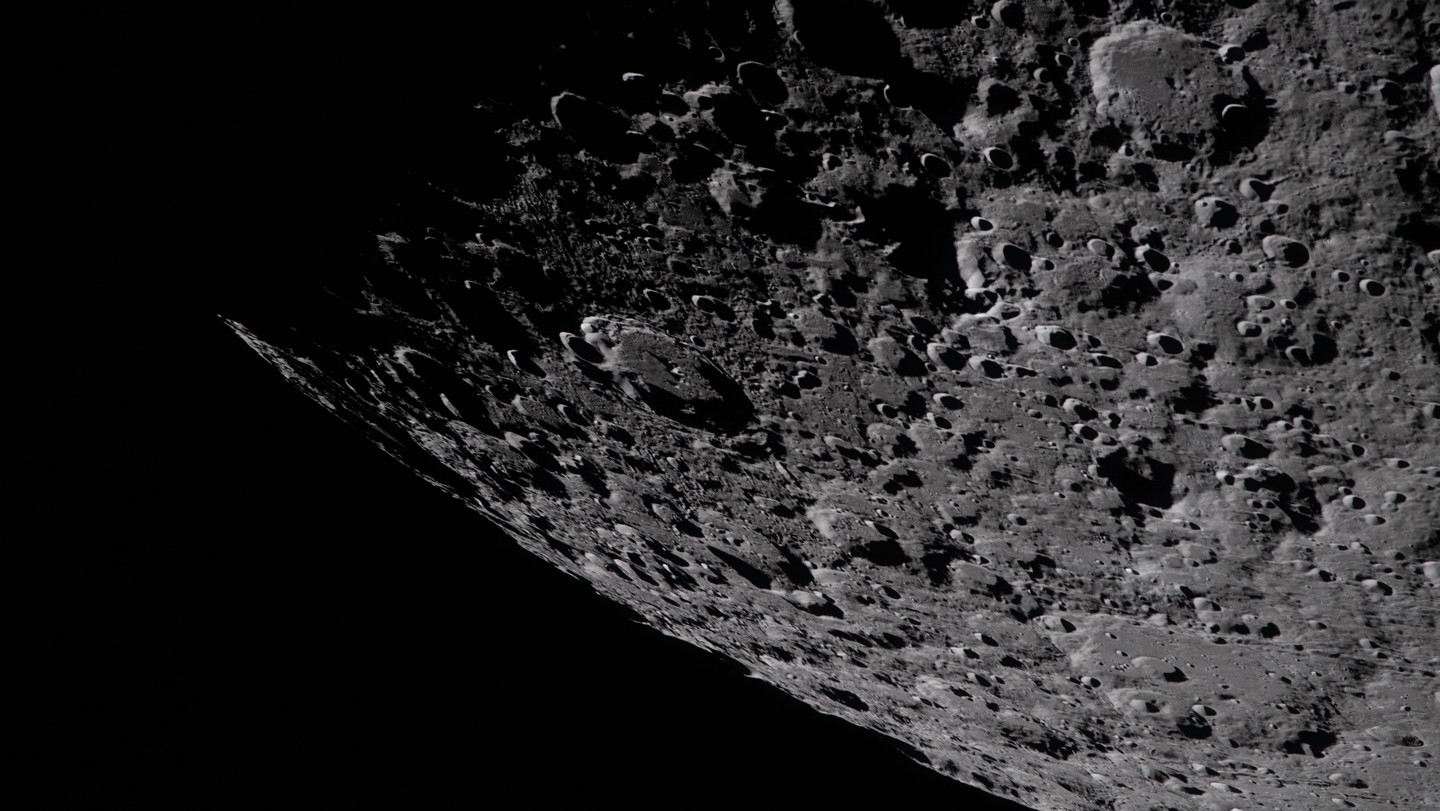
- Geological “Cheat Codes”: The crew focused heavily on impact craters. Because these craters excavate material from deep beneath the lunar surface, they act as natural windows into the Moon’s history. The astronauts observed varying colors in the “rays” of material spraying out from craters, suggesting that deep-seated, differently composed material is being brought to the surface.
Witnessing the “Invisible”: Impact Flashes
Perhaps the most thrilling scientific success was the real-time observation of impact flashes. These are brief, millisecond-long bursts of light caused by micrometeorites striking the lunar surface.
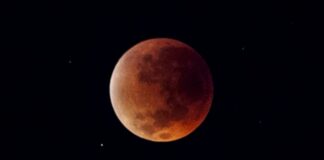
During a period of solar eclipse—where the Moon blocked the sun from the crew’s view—the astronauts actively searched for these flashes. They reported seeing between four and six flashes within a 30-minute window.
Why this matters: This isn’t just a visual spectacle. Understanding the frequency and intensity of these micrometeorite impacts is vital for mission safety. For future Artemis crews planning to live on the lunar surface, these “pinpricks of light” represent a constant environmental hazard that could damage habitats and equipment.
Practical Lessons for Future Exploration
The mission also provided unexpected “human factor” data. The crew encountered several logistical hurdles regarding light interference inside the spacecraft:
- Internal Reflections: Brightly colored interior components, such as orange tape or white stickers, reflected in the windows and interfered with lunar observations.
- Mitigation Strategies: To combat this, astronauts resorted to using a black t-shirt to cover interior surfaces. This has already prompted recommendations for future missions to include specialized “darkroom” cloths to ensure optimal visibility.
Looking Toward the Horizon
The mission was also deeply personal and symbolic. The crew proposed new names for small craters—Integrity and Carroll —which will be submitted to the International Astronomical Union upon their return.
As the crew looked out into the darkness during the eclipse, they noted the presence of other planets, including a distinct red dot: Mars. As NASA science lead Kelsey Young noted, that red planet represents the next chapter of human exploration.
Conclusion
The Artemis II flyby has proven that human presence in deep space offers qualitative insights—specifically regarding color and transient phenomena like impact flashes—that robotic missions cannot match. These observations are already providing essential data for the safety and scientific success of future lunar landings.