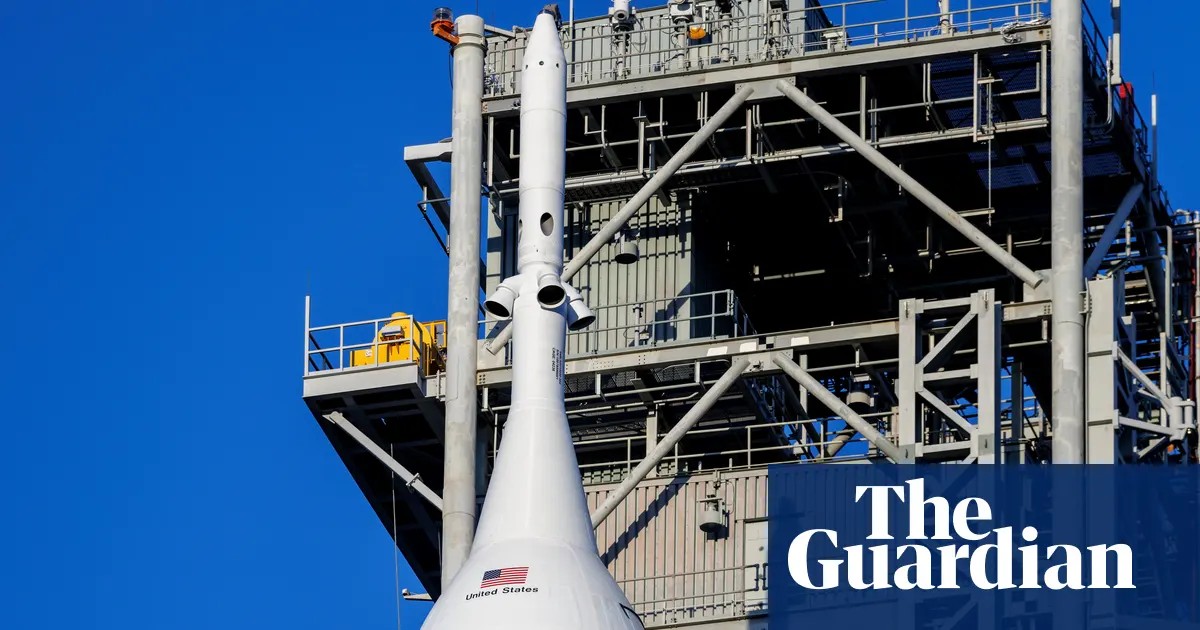
NASA is preparing for the launch of Artemis II, the first crewed mission to orbit the Moon in over half a century, with a target date as early as April 1st. Senior NASA official Lori Glaze confirmed the agency remains “on track” despite prior technical delays that pushed the launch from its original February timeframe.
Mission Details and Crew
The Artemis II mission will carry four astronauts: commander Reid Wiseman, Victor Glover, Christina Koch (all American), and Canadian astronaut Jeremy Hansen. Unlike the uncrewed Artemis I, this flight will test critical systems with a human crew aboard before NASA attempts a lunar landing. The spacecraft will circumnavigate Earth before entering lunar orbit, flying within 4,000 to 6,000 miles (6,450 to 9,650 km) of the Moon’s surface – closer than any human has ventured since the Apollo program. According to NASA, at that distance, the Moon will appear roughly the size of a basketball held at arm’s length.
Program Adjustments and Future Goals
This mission follows a February overhaul of the Artemis program, which included adding a test flight phase. NASA has identified multiple launch windows within a six-day period, starting on April 1st at 6:24 PM (22:24 GMT), providing around four opportunities for liftoff.
The Artemis program’s ultimate goal is to land astronauts on the Moon again by early 2028 with Artemis III, fulfilling a long-standing ambition first voiced by former President Donald Trump. The next phase, Artemis IV, will involve a low-Earth orbit rendezvous with a lunar lander, setting the stage for sustained lunar exploration.
This mission represents a significant step toward reestablishing a long-term human presence on and around the Moon, a goal that has been decades in the making. The risks are acknowledged, but the agency is confident in its readiness to proceed.