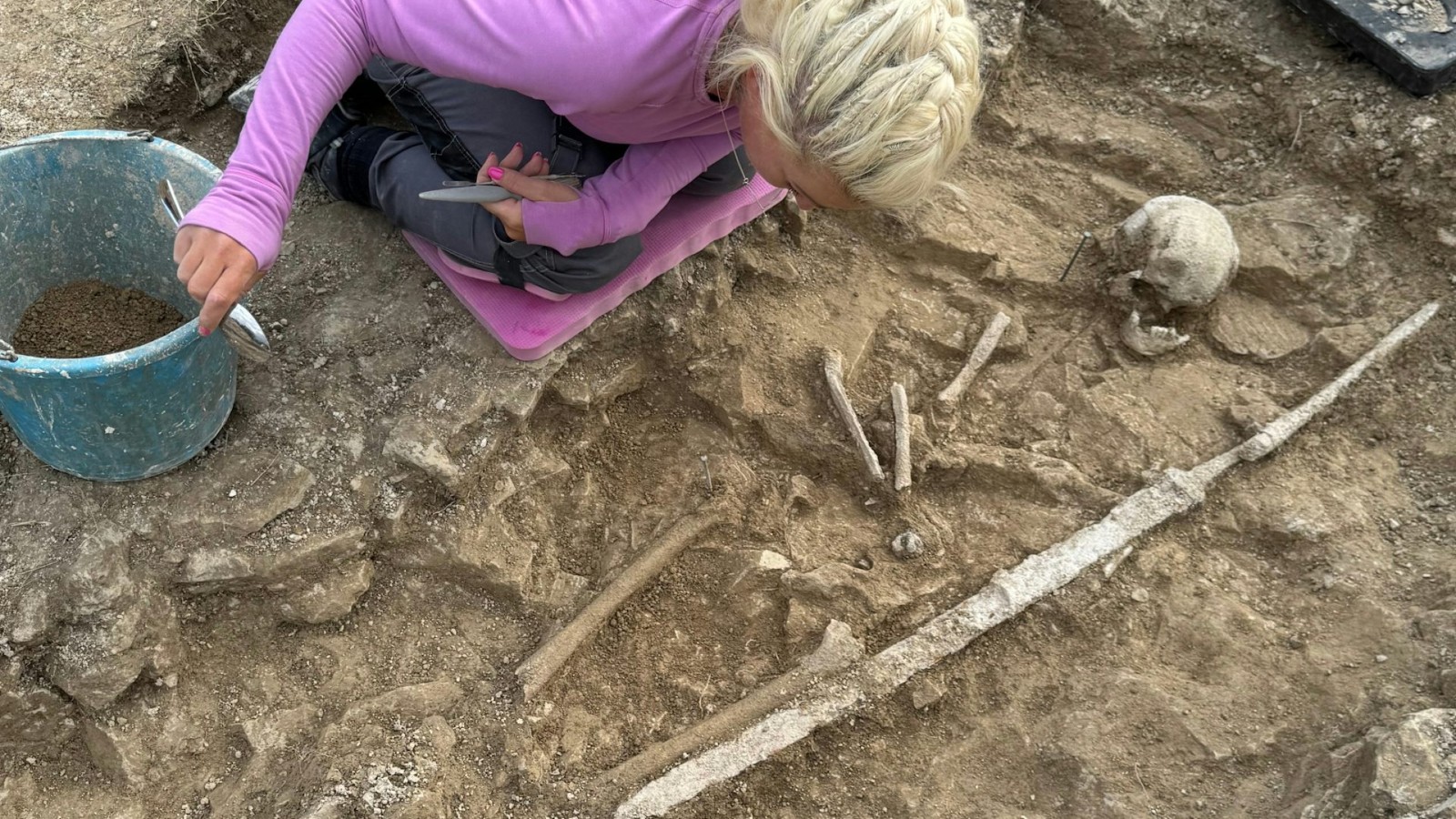
Recent archaeological discoveries in the UK shed light on how early Anglo-Saxon societies viewed weapons – not just as tools of war, but as deeply symbolic objects tied to identity, lineage, and even grief. A team led by archaeologists from the University of Lancashire and Isle Heritage uncovered a cemetery containing four weapon burials, including a striking instance of a child buried with a spear and shield. This finding prompts questions about the significance of weapons beyond their practical use: were they ceremonial, aspirational, or expressions of mourning?
The Value of Weapons Beyond Combat
The excavation, documented in BBC2’s Digging for Britain, revealed swords with ornate silver pommels and scabbards. One weapon showcased a deliberate mix of artistic styles and dates, similar to the Staffordshire Hoard, suggesting that older swords were not merely replaced but curated and valued over time. This reverence for weaponry is reflected in Old English poetry, such as Beowulf, which describes ancient swords as “hardened by wounds” and treasured heirlooms.
The presence of weapons in graves wasn’t random. Multiple burials at other sites – Dover Buckland, Blacknall Field, and West Garth Gardens – show similar patterns. The Helsterton cemetery in Yorkshire showed DNA evidence of men buried with weapons, who were biologically related to others buried nearby. This suggests weapons might have been a symbol of family or status, with later generations buried near their armed ancestors.
Weapons in Child Burials: A Glimpse into Aspirations and Loss
Perhaps the most poignant discovery was the grave of a child, aged 10-12, buried with a spear and shield despite a curved spine that would have made using them difficult. Another young child’s grave held an oversized silver belt buckle, too large for a 2-3-year-old. These objects, typically associated with adult men of office, suggest that even in death, these children were symbolically linked to masculine roles and future potential.
Weapons weren’t just about aggression. Dents on shields and wear on blades confirm they were used in conflict, but the emotional weight of these objects is undeniable. Ancient poems like Beowulf depict grief and loss alongside heroism, with the dead honored through their weapons, as if to prepare for a future they would no longer see. The spears, shields, and buckles in children’s graves spoke of the men they might have become.
The discovery highlights how weapons were not only instruments of war but expressions of grief, identity, and aspiration within Anglo-Saxon society. The careful arrangement of weapons around the dead suggests a ritualistic acknowledgment of loss, lineage, and the enduring legacy of masculinity.