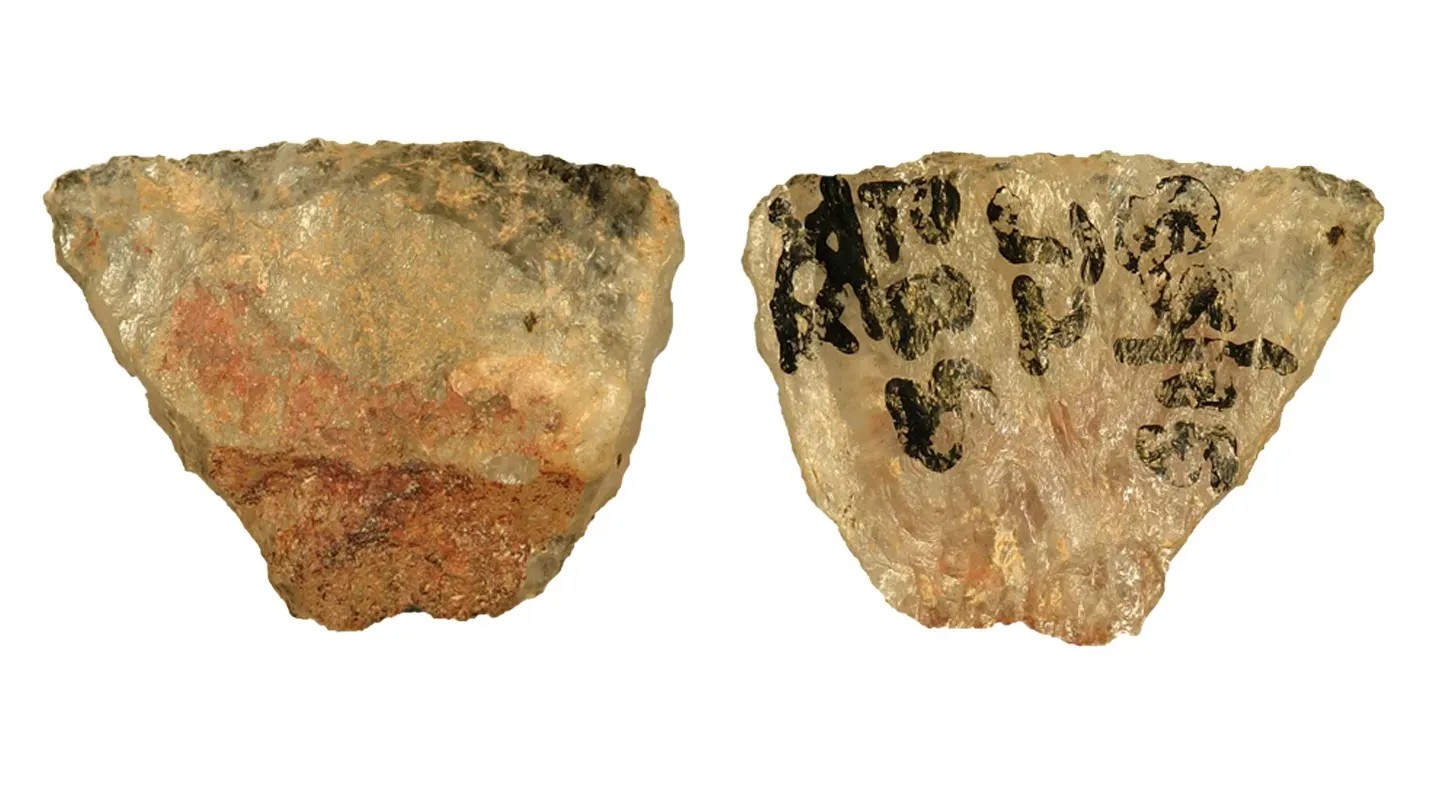
Archaeological discoveries in South Africa have unveiled remarkably sophisticated hunting tactics employed by early humans over 60,000 years ago: poison-tipped arrowheads. These findings, detailed in recent research, demonstrate that prehistoric hunters weren’t just skilled with tools but also understood advanced chemical warfare. The arrowheads, crafted from stone and clay, were coated with a deadly toxin derived from local plants or animal venoms.
The Science Behind the Poison
Analysis using spectrometry identified the residue of toxic compounds on the arrowheads. These compounds, likely derived from sources like snake venom or toxic plants, would have quickly immobilized or killed prey. This isn’t just about hunting success; it’s about efficient resource acquisition. Early humans didn’t always have the luxury of prolonged chases or close-quarters combat. Poison allowed them to take down larger animals with minimal risk.
Engineering and Materials
The arrowheads themselves are testament to early human ingenuity. They were made from local quartz and other readily available materials. The process involved carefully shaping the stone, then applying the poison with precision. The clay used in some designs may have acted as a binding agent or slow-release mechanism for the toxins, increasing their effectiveness.
Why This Matters
This discovery shifts our understanding of prehistoric hunting from brute force to deliberate strategy. Before this, it was assumed that early humans relied primarily on physical strength and rudimentary traps. Now, we know they were capable of chemical warfare on a tactical scale. This raises questions about the level of ecological knowledge and chemical processing capabilities that existed tens of thousands of years ago.
The Bigger Picture
The use of poison suggests that these early hunters were highly attuned to their environment. They understood which plants and animals contained deadly toxins and how to extract them. This level of knowledge implies a deep connection to the natural world, one that went beyond simple survival: it was a calculated advantage in a harsh landscape.
The discovery of these arrowheads isn’t just a footnote in archaeology; it’s proof that early humans were capable of complex thought, resourcefulness, and ruthlessly efficient hunting methods. Their actions were defined by the need to survive, and they did so with a level of cunning that challenges our assumptions about prehistoric life.